How to Find the Main Idea in a Paragraph: A Simple Reading Guide for Grade 4 Students Who Struggle with Understanding Texts
main idea of a paragraph for grade 4 is one of the most important reading skills children need in upper primary school, yet many students still struggle to understand what a paragraph is truly about. In Grade 3 to Grade 5 classrooms, teachers often notice a common problem: students can read words smoothly, but when asked “What is this paragraph about?”, they give unclear or wrong answers.
Parents also feel confused when their child reads a page aloud but cannot explain it afterward. At home, the child may appear to read fine, but comprehension remains weak. Teachers observe that this gap between reading and understanding becomes more visible in Grade 4 when texts become longer and more complex.
Students often make simple mistakes like focusing on one sentence instead of the whole paragraph, guessing answers, or repeating words without meaning. These issues usually come from weak vocabulary, lack of guided practice, and no clear strategy for identifying key ideas.
The good news is that this skill can be improved step by step through structured reading practice, guided questioning, and consistent support at home and in class.
Why do students struggle with reading comprehension in Grade 3–5?
Many children in Grade 3 to Grade 5 can read words but still fail to understand meaning. This happens because reading is not just speaking words aloud; it is understanding ideas behind those words.
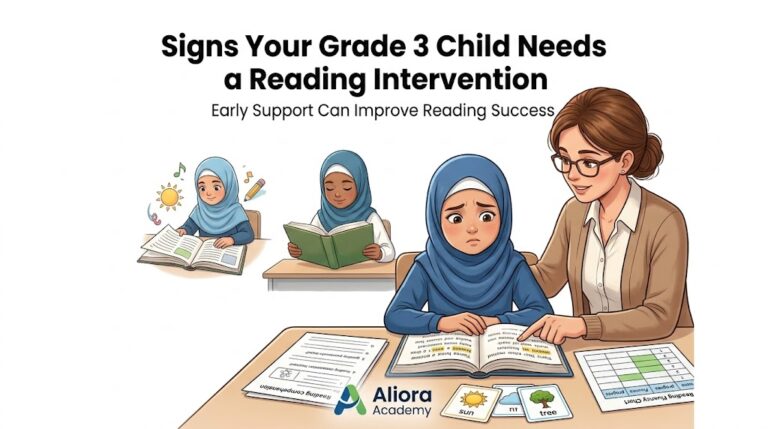
In Grade 3, students are still building word recognition and basic fluency. They often read slowly and focus on decoding each word instead of understanding the sentence. For example, a child may read “The dog ran fast in the park” but not understand the action or setting clearly.
In Grade 4, paragraphs become longer. Students are expected to understand paragraph meaning, story flow, and vocabulary in context. If a child does not know how to group ideas, they get lost in details. A frequent question parents ask is why children cannot find main idea in reading, and the answer often lies in weak paragraph analysis skills. For targeted practice, English classes for Grade 4 provide systematic guidance on this very skill.
In Grade 5, reading becomes more advanced. Students must develop critical reading and inference skills, meaning they need to understand hidden meanings and not just surface sentences. Our guide on teaching inference skills to children is a helpful resource for this stage.
Common reasons for struggle include:
- Weak vocabulary foundation
- Lack of reading practice at home
- No structured reading strategy
- Overfocus on speed instead of meaning
Teachers often recommend programs like an English learning program for Grade 4 to build strong comprehension habits step by step.
How can children improve reading skills at home?
Improving reading at home requires daily structure, not random reading. Parents play a major role in shaping comprehension habits. This is the essence of reading comprehension support for parents — creating simple, effective routines.
A simple method includes:
- Read one short paragraph daily
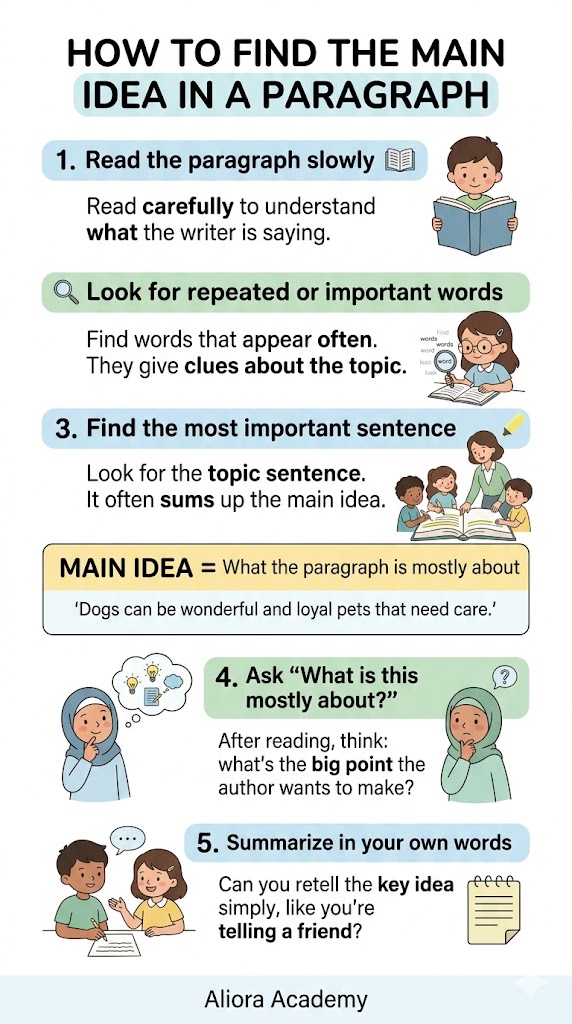
- Ask “What is this about?” after reading
- Highlight important words together
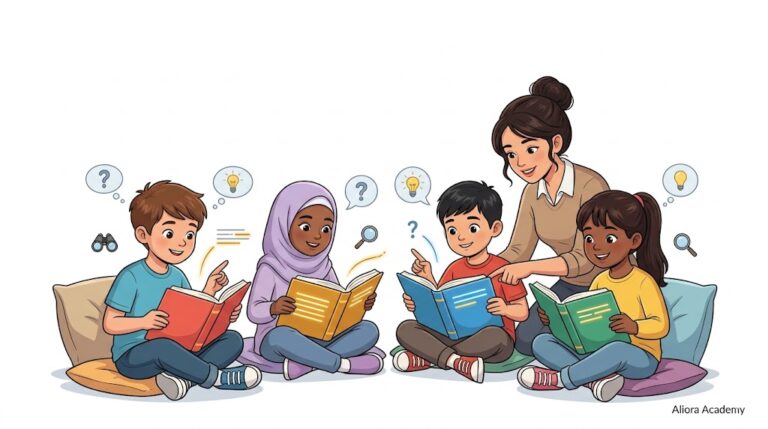
- Ask the child to retell the paragraph in their own words
In Grade 3, focus should be on reading aloud and understanding simple sentences. In Grade 4, children should practice summarizing paragraphs. In Grade 5, they should start explaining reasons and ideas.
Parents can also support structured learning through an English learning program that builds vocabulary, grammar, and comprehension together instead of isolated reading.
A helpful home activity:
- Choose a short story
- Ask the child to underline the main sentence
- Discuss why that sentence is important
This builds thinking habits instead of memorization.
What is the importance of reading fluency in early education?
Reading fluency is not just reading fast. It is reading smoothly with correct understanding and expression. Without fluency, comprehension becomes weak. To understand the full picture, read what reading fluency is and why it matters.
In Grade 3, fluency helps children read sentences without stopping too much. In Grade 4, it helps them understand paragraph flow. In Grade 5, it supports deeper thinking and analysis.
Teachers observe that students who lack fluency:
- Lose track of meaning
- Forget earlier sentences
- Struggle to answer questions
Fluent readers, on the other hand, understand ideas faster, remember key points, and answer questions correctly. Schools often combine fluency practice with structured English classes for Grade 3 to build a strong foundation early.
Fluency improves when students read daily with guidance, not pressure.
How does a reading tool improve learning outcomes?
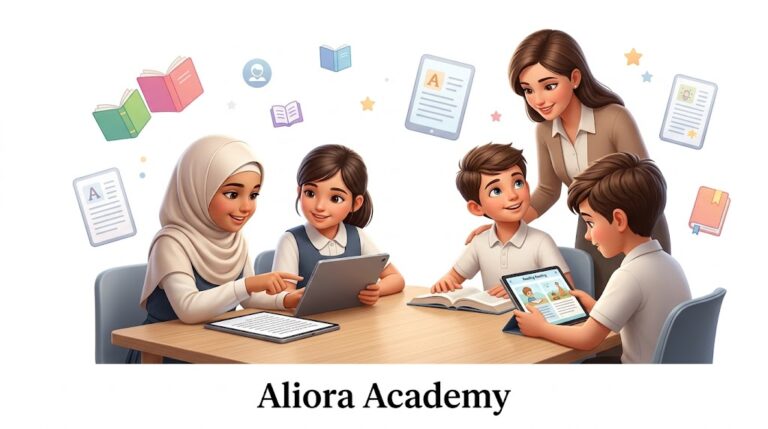
A structured reading tool helps students break down paragraphs into understandable parts. Instead of guessing meaning, students learn a clear method.
Such tools usually:
- Highlight key sentences
- Teach step-by-step paragraph breakdown
- Build vocabulary understanding in context
- Improve retention through practice exercises
This is especially helpful for students who read slowly, forget what they read, or cannot identify main ideas. For many families, simple paragraph understanding practice using these tools accelerates progress more than random reading.
For example, a Grade 4 student reading a story about animals may only remember details like “lion” or “forest,” but a structured tool teaches them to identify the central idea: “The story is about how animals live in the forest.” This is exactly the kind of skill reinforced in online reading tutoring.
Parents using guided programs often see better results than unstructured reading because consistency matters more than volume.
What mistakes do students make in reading practice?
Students often repeat the same mistakes that reduce comprehension quality.
Common mistakes include:
- Focusing only on reading speed
- Ignoring vocabulary meaning
- Not rereading difficult sentences
- Skipping paragraph structure understanding
In Grade 3, students often guess words instead of decoding them properly. In Grade 4, they struggle to connect sentences. In Grade 5, they fail to explain deeper meaning. If you notice your child struggling to connect sentences, how to help a child who struggles with reading comprehension provides actionable tips.
Teachers recommend breaking these habits by:
- Asking “What did you understand?” after each paragraph
- Encouraging slow and meaningful reading
- Practicing short summaries daily
Programs like English classes for Grade 5 help students correct these habits through structured reading tasks. Additionally, understanding why reading accuracy matters more than speed can shift focus away from racing through text.
Real-Life Learning Examples
Example 1: Slow Reader in Grade 3
A student reads very slowly and stops after every word. The teacher introduces guided reading practice. After two weeks, the student starts reading short sentences smoothly and understands simple meaning better.
Example 2: Poor Comprehension in Grade 4
A child reads a paragraph but cannot answer “What is this about?”. Using structured breakdown exercises, the child learns to identify the main idea sentence and improves classroom performance. For more strategies, parents can read about vocabulary building techniques for elementary school children.
Example 3: Weak Vocabulary in Grade 5
A student struggles with story understanding due to limited vocabulary. After consistent vocabulary building practice, the student starts understanding context and answering inference questions correctly.
FAQ
How can my child improve reading at home?
Daily short reading practice with discussion is most effective. Ask simple questions after every paragraph to build understanding.
What is the best way to build reading habits daily?
Start with 15–20 minutes of focused reading, not long sessions. Consistency matters more than duration.
How do reading tools improve comprehension skills?
They break paragraphs into smaller ideas, making it easier for children to understand meaning instead of guessing.
Conclusion
Reading success in Grade 3–5 depends on building strong comprehension habits early. Children must learn not only to read words but also to understand meaning, structure, and ideas. How to identify main idea in a paragraph for children is a skill that unlocks success across all subjects.
Daily practice, guided support, and structured learning tools all work together to improve reading confidence. When students develop these skills early, they perform better in all subjects because reading is the foundation of academic learning.