How to Improve Reading Fluency for Elementary Students at Home
How to Improve Reading Fluency for Elementary Students at Home
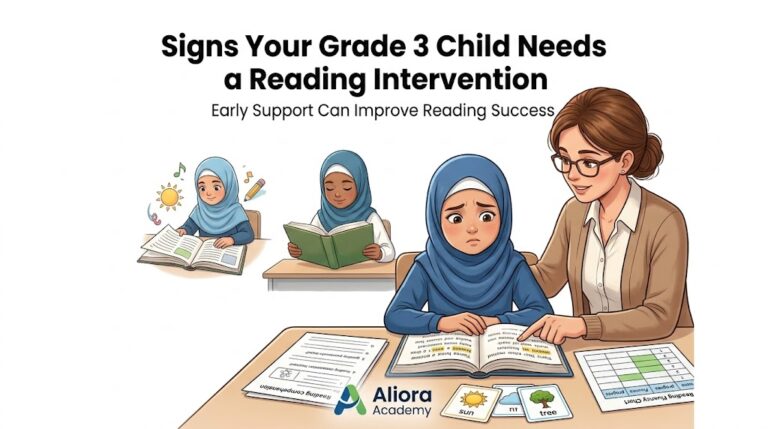
Improve Reading Fluency for Elementary Students becomes a major concern for many parents when a child struggles to read slowly, mispronounces words, or cannot understand what they read in school. A common situation is a Grade 3 student reading word by word without understanding the sentence, or a Grade 4 student unable to answer questions from a paragraph despite reading it multiple times. In Grade 5, students may read correctly but still fail in exams due to weak comprehension and slow reading speed.
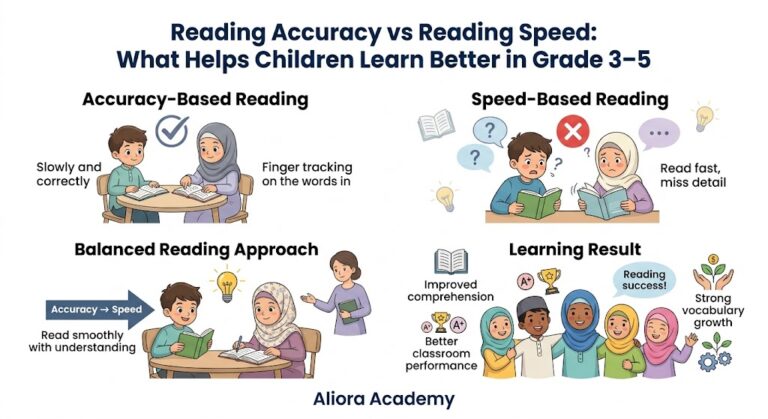
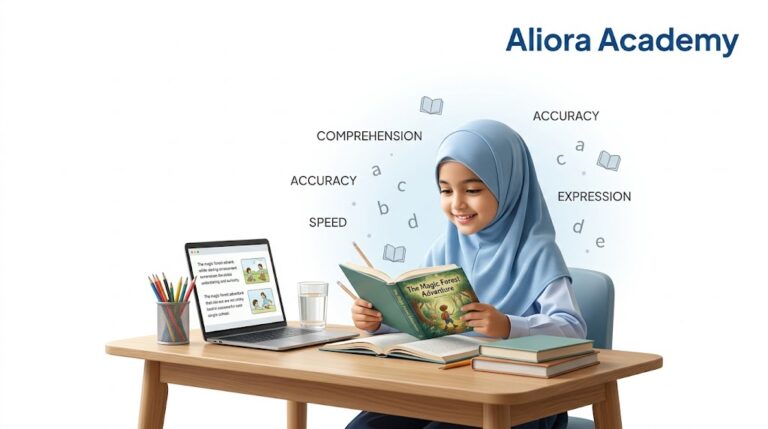
Reading fluency is not just about speed; it includes accuracy, expression, and understanding. When students lack fluency, they also struggle with reading comprehension, vocabulary development, and academic reading tasks across all subjects.
The good news is that reading fluency can be improved at home with consistent practice, guided reading, and the right learning techniques. Parents play a key role in building confidence, improving language learning habits, and supporting daily reading practice that strengthens long-term literacy development.
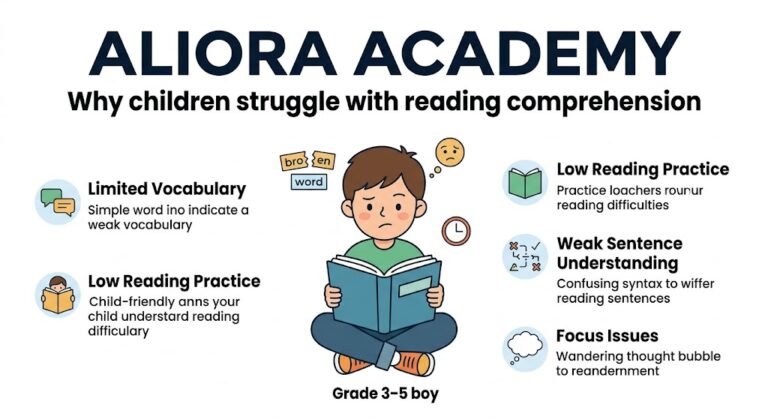
Why do children struggle with reading comprehension?
Children often struggle with reading comprehension because they focus only on reading words instead of understanding meaning. When a child reads slowly, they lose track of the sentence and cannot connect ideas properly.
Another common reason is weak vocabulary. If a student does not understand key words in a passage, the entire meaning becomes unclear. This directly affects English reading skills and academic reading performance in school subjects like science and social studies.
Lack of practice is another major issue. Many children only read when homework is assigned, which is not enough to build fluency. Regular reading practice is necessary to improve sentence understanding and confidence.
To overcome these challenges, parents can:
- Encourage daily reading aloud
- Teach 5–10 new words every day
- Ask simple questions after reading a paragraph
For example, in structured learning programs like reading classes for Grade 3, children learn basic comprehension step by step, which helps them build strong reading habits early.
How can students improve reading skills at home?
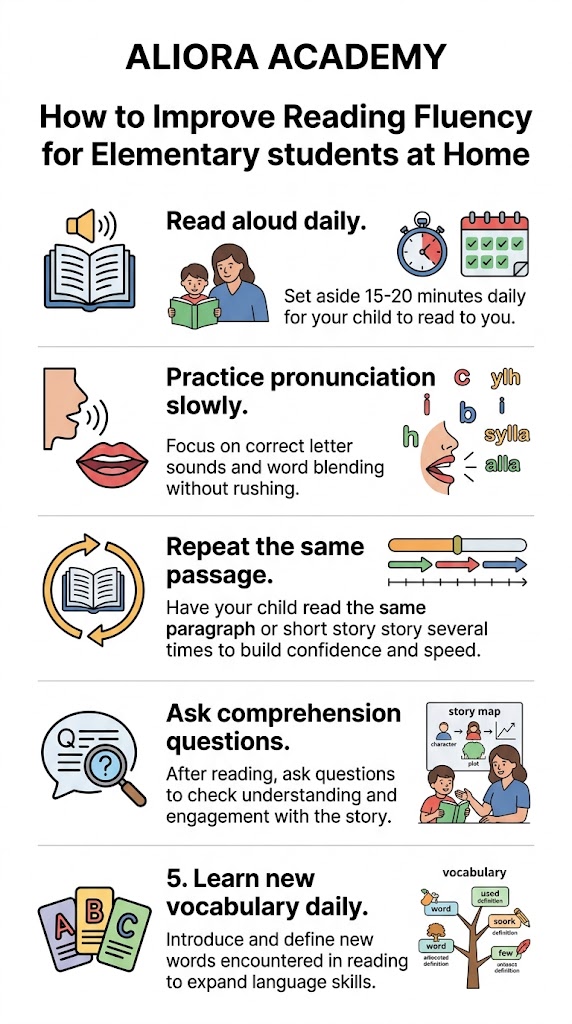
Students can improve reading fluency at home through simple and consistent daily routines. The key is not long study hours but focused and meaningful practice.
Parents can follow these steps:
- Ask the child to read one short paragraph aloud daily
- Correct pronunciation gently without pressure
- Repeat reading the same text to build speed and confidence
- Ask “what happened in this paragraph?” to check understanding
This method improves both comprehension skills and English reading fluency over time.
Another effective approach is shared reading, where parents read a line first and the child repeats it. This builds rhythm, sentence understanding, and vocabulary development naturally.
For structured support, many families choose reading improvement program options that provide guided lessons aligned with school levels.
What role does vocabulary play in reading success?
Vocabulary is the foundation of reading success. Without understanding words, students cannot understand sentences, no matter how well they pronounce them.
When children improve vocabulary, they also improve:
- Sentence understanding
- Reading comprehension
- Writing skills
- Critical thinking
For example, a Grade 3 student who knows basic words like “happy,” “run,” and “school” will understand simple passages easily. In Grade 4, students need contextual vocabulary to understand paragraphs. By Grade 5, advanced words help students analyze meaning and answer exam questions correctly.
A practical method is word learning through daily life:
- Label objects at home in English
- Use new words in sentences
- Revise previous words regularly
Programs like reading classes for Grade 4 focus on structured vocabulary building, which improves both fluency and comprehension.
Why does reading improve academic performance?
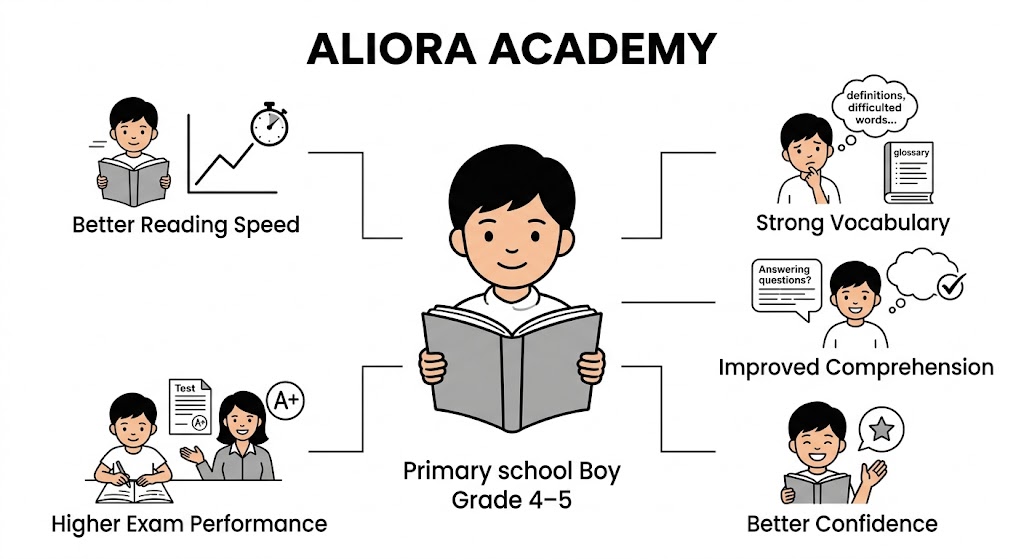
Reading directly impacts academic performance because every subject depends on understanding text. Whether it is science explanations, math word problems, or social studies chapters, strong reading skills make learning easier.
Students with good reading fluency can:
- Understand exam questions quickly
- Answer in a structured way
- Learn new topics faster
- Retain information better
Weak readers often spend more time decoding words than understanding meaning, which leads to low performance in exams.
In Grade 5, students especially need strong academic reading skills to handle longer passages and inference-based questions. For example, a student preparing through reading classes for Grade 5 learns how to analyze text and identify key ideas effectively.
How can parents support reading at home?
Parents play the most important role in developing reading habits. A supportive home environment makes children more confident and consistent in learning.
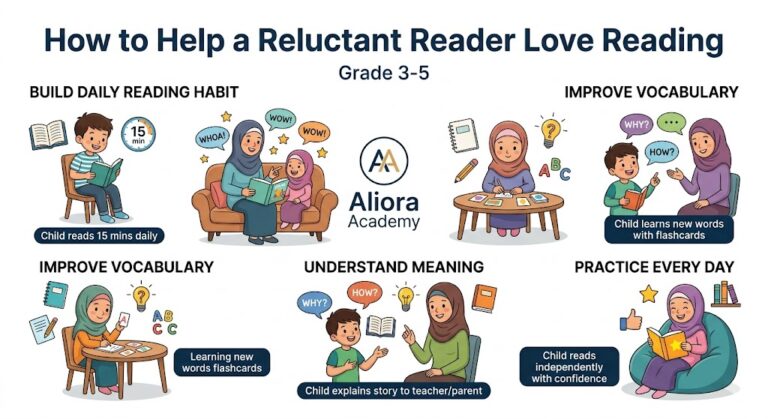
Here are practical strategies:
- Set a fixed 15–20 minute reading time daily
- Read together as a family
- Ask simple “why” and “how” questions
- Avoid pressure; focus on encouragement
Even small efforts create long-term improvement in literacy development and language learning.
Parents should also observe progress and adjust difficulty levels. If a child struggles, go back to easier texts before moving forward. This builds confidence and reduces reading anxiety.
Real-Life Examples
Example 1: Grade 3 Student Struggling With Reading Words
A Grade 3 student could not read simple sentences and often paused after every word. The problem was weak word recognition and low confidence. The solution was daily reading aloud practice with short stories. After 3 weeks, the student improved pronunciation and started reading sentences smoothly with better understanding.
Example 2: Grade 4 Student Improving Comprehension Skills
A Grade 4 student could read paragraphs but failed to answer questions correctly. The issue was lack of comprehension strategy. The solution included daily paragraph reading followed by “what, why, how” questions. After consistent practice, the student began understanding context and improved test scores.
Example 3: Grade 5 Student Preparing for Exams
A Grade 5 student struggled with long exam passages and time management. The problem was slow reading and weak inference skills. The solution involved timed reading practice and summarizing paragraphs. The outcome was faster reading speed and improved exam performance.
Why is daily reading practice important for students?
Daily reading practice builds consistency, which is essential for fluency development. Without regular exposure to text, students forget vocabulary and lose reading rhythm.
When children read daily, they naturally improve:
- Reading speed
- Comprehension skills
- Vocabulary development
- Confidence in English reading skills
Even 15 minutes a day can significantly improve long-term learning outcomes when done consistently.
FAQs
How can my child improve reading comprehension skills?
Start with short passages, ask simple questions after reading, and encourage daily reading aloud. Gradually increase difficulty as confidence improves.
What is the best age to improve reading ability?
Early elementary years (Grade 3 to Grade 5) are the most effective stage because children develop strong language learning habits during this period.
Do online reading classes really help students?
Yes, structured online reading classes provide guided practice, vocabulary building, and comprehension exercises that improve fluency and confidence.
Conclusion
Strong reading fluency is the foundation of academic success. When children improve vocabulary, practice reading daily, and understand sentence meaning, they naturally perform better in school. Parents who support consistent reading habits help build long-term literacy development and confidence in learning. With the right guidance, students can move from slow reading to confident understanding, improving both academic performance and communication skills.