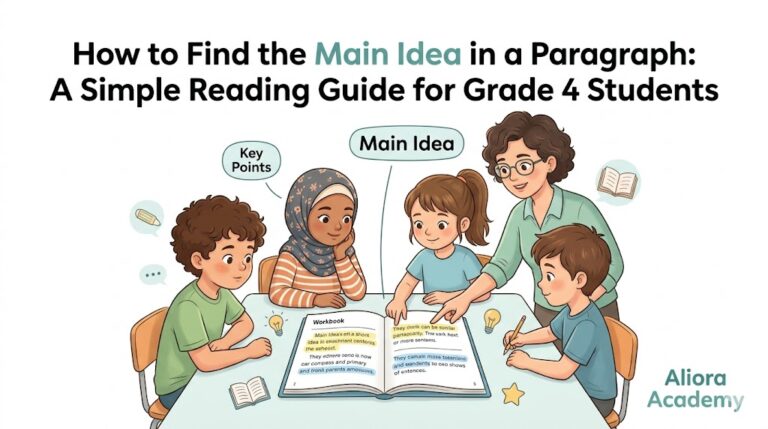
Top Vocabulary Building Techniques for Elementary School Children
Vocabulary Building Techniques for Elementary School Children can make a major difference in how students read, understand, and communicate during Grades 3–5.
Many parents become concerned when their child can read words correctly but struggles to explain what a passage means. Teachers often notice similar challenges in the classroom. A student may finish reading a story yet find it difficult to answer questions, understand new terms, or discuss the main idea.
Strong reading skills support success in every subject. Whether students are learning science, social studies, or mathematics, they need a broad vocabulary to understand instructions, lessons, and assignments. Without enough word knowledge, reading becomes slower and more frustrating.
Many elementary students make common mistakes such as skipping unfamiliar words, guessing meanings without context, or avoiding challenging books altogether. These habits can limit growth and reduce confidence.
The good news is that vocabulary growth follows a clear path. With consistent reading practice, meaningful conversations, structured learning activities, and support from quality online English classes, students can steadily improve their language skills and become stronger readers.
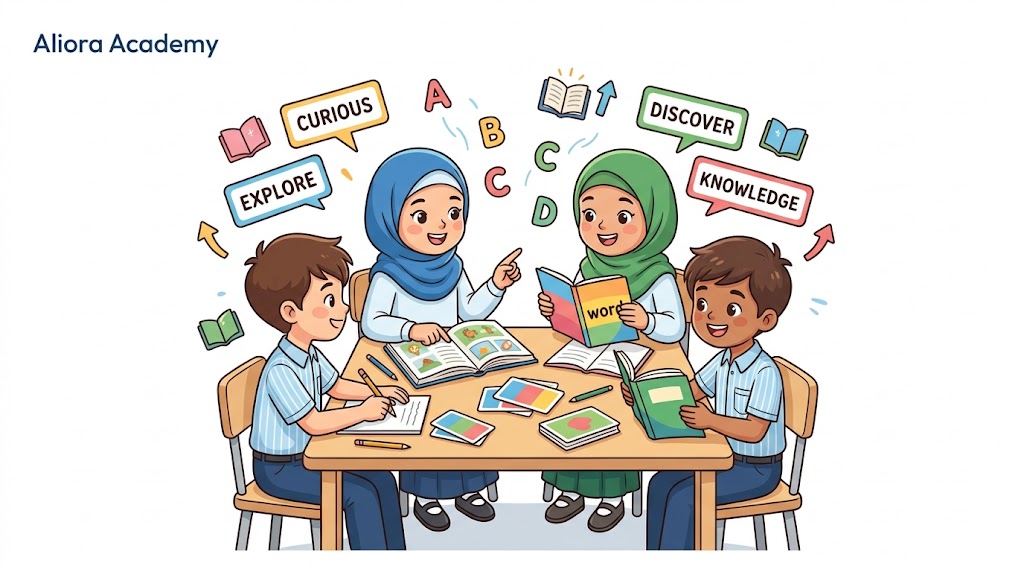
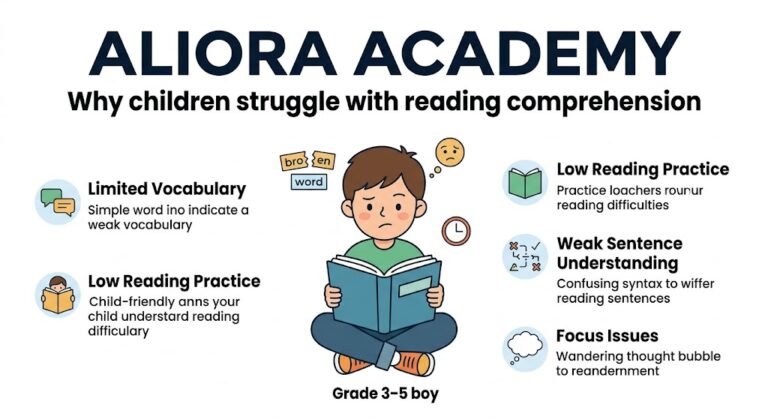
Why do many Grade 3–5 students struggle with vocabulary growth?
Vocabulary challenges often appear during the transition from learning to read toward reading to learn. In Grade 3, students begin encountering more complex texts, and unfamiliar words become more common.
Teachers frequently observe students who can recognize words but do not fully understand their meanings. This affects comprehension skills, classroom participation, and written responses. Many children need structured exposure to new words through an effective English learning program.
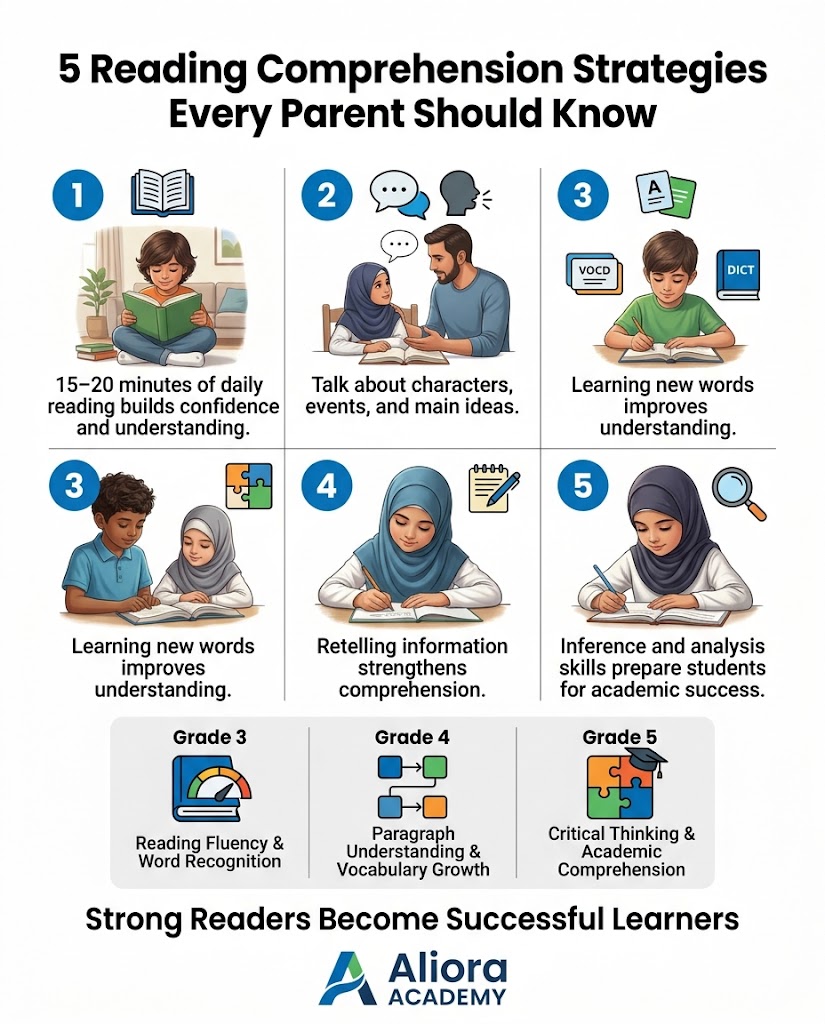
Grade 3 learners often focus on word recognition and basic sentence understanding. They may know individual words but struggle to connect them within a complete passage. This stage requires intentional vocabulary development through reading and discussion.
By Grade 4, reading materials include longer paragraphs and more descriptive language. Students must understand context clues and multiple meanings of words. Regular practice through English classes for Grade 4 helps students develop these skills systematically.
Grade 5 students face more academic language, critical reading tasks, and inference-based questions. A stronger vocabulary helps them analyze information, draw conclusions, and understand complex texts often taught in English classes for Grade 5.
Common causes of vocabulary weakness include:
- Limited independent reading
- Minimal exposure to academic language
- Lack of word practice at home
- Overreliance on memorization
- Inconsistent reading routines
How can children learn new words naturally through daily reading?
Reading remains one of the most effective ways to expand vocabulary. Every book introduces students to new language patterns, sentence structures, and concepts.
When children read regularly, they repeatedly encounter words in meaningful contexts. This repetition helps them remember meanings more effectively than isolated word lists. Families supporting reading habits often see improvements alongside structured online English classes.
Teachers encourage students to pause when they discover unfamiliar words. Instead of immediately checking a dictionary, students should first examine surrounding sentences for clues. This strengthens independent learning skills.
Reading different genres also supports growth. Fiction introduces descriptive language, while nonfiction exposes students to academic and subject-specific vocabulary. Balanced reading experiences complement an English learning program that focuses on literacy development.
Parents can support reading growth by:
- Reading together daily.
- Discussing interesting words.
- Asking comprehension questions.
- Encouraging book variety.
- Creating a reading-friendly environment.
Consistent exposure to language strengthens reading fluency, understanding, and confidence over time.
What classroom strategies help improve vocabulary development?
Effective teachers integrate vocabulary instruction throughout daily lessons rather than teaching words in isolation.
One successful strategy involves introducing new words before reading begins. Students learn definitions, examples, and usage patterns, making comprehension easier during reading activities. Many students reinforce these skills through English classes for Grade 3.
Another approach is teaching words through context. Instead of memorizing definitions, students analyze how authors use words within sentences and paragraphs. This method supports long-term retention and deeper understanding.
Word maps and graphic organizers also help learners connect meanings, synonyms, antonyms, and examples. Visual learning strengthens memory and improves application.
Class discussions play a significant role as well. Students who actively use new words in speaking activities remember them more effectively than those who only read definitions. Participation opportunities found in English classes for Grade 4 often strengthen this skill.
Teachers commonly focus on:
- Context clues
- Word relationships
- Academic vocabulary
- Discussion-based learning
- Writing integration
These techniques support both vocabulary development and overall literacy growth.
How does vocabulary knowledge improve reading comprehension?
Reading comprehension depends heavily on word understanding. Students cannot fully understand a text when key vocabulary remains unfamiliar.
A child may read every word accurately yet still struggle to explain the author's message. This often happens because vocabulary knowledge has not developed at the same pace as decoding skills. Structured support through English classes for Grade 5 can help bridge this gap.
When students understand more words, they process information faster. This improves reading fluency, reduces frustration, and allows them to focus on meaning rather than individual words.
Vocabulary also strengthens critical thinking. Students can compare ideas, identify themes, recognize cause-and-effect relationships, and make inferences more effectively.
Strong word knowledge contributes to:
- Better comprehension
- Faster reading speed
- Improved discussion skills
- Stronger writing ability
- Greater academic confidence
As vocabulary expands, students become more capable readers across all subjects.
What are some effective vocabulary-building activities for home learning?
Home support plays a major role in literacy development. Parents do not need advanced teaching skills to help children grow their vocabulary.
Simple conversations expose children to new language naturally. Discussing books, daily activities, and current events introduces words that may not appear in classroom lessons. Families often combine these activities with an English learning program for additional structure.
Word journals provide another effective tool. Students record new words, definitions, examples, and personal sentences. This encourages active engagement with language.
Games can also make learning enjoyable. Word puzzles, vocabulary challenges, and storytelling activities increase exposure while maintaining motivation.
Parents can try:
- Family reading time
- Vocabulary notebooks
- Word-of-the-day activities
- Story retelling exercises
- Educational word games
Regular practice creates consistent opportunities for language growth.
How do structured reading tools support vocabulary and literacy growth?
Structured reading tools provide organized practice that targets specific literacy needs.
Unlike random reading activities, well-designed tools focus on skill progression. Students work through increasingly challenging texts while receiving guidance and feedback. Many families discover these benefits through online English classes.
Reading tools often combine vocabulary instruction with comprehension skills, sentence analysis, and fluency practice. This integrated approach helps students understand how words function within real texts.
A quality reading tool can support:
- Word recognition
- Vocabulary expansion
- Reading comprehension
- Grammar in context
- Sentence structure understanding
- Critical thinking development
Students who struggle with reading consistency often benefit from structured learning paths because they provide clear goals and measurable progress.
Real-Life Examples of Vocabulary Growth
Example 1: Slow Reading Student
A Grade 3 student read accurately but very slowly because many words felt unfamiliar.
Solution: Structured vocabulary practice paired with guided reading.
Outcome: Improved reading speed and stronger confidence during classroom reading sessions.
Example 2: Poor Comprehension Learner
A Grade 4 student completed reading assignments but struggled to answer comprehension questions.
Solution: Context-clue exercises and vocabulary-focused reading activities. The student also benefited from strategies discussed in our guide on how to help a child who struggles with reading comprehension.
Outcome: Better understanding of story details and improved discussion participation.
Example 3: Vocabulary Weak Student
A Grade 5 student had difficulty understanding academic texts in science and social studies.
Solution: Targeted word-learning strategies and regular reading practice. The family also explored how online reading tutoring helps struggling readers catch up.
Outcome: Increased academic comprehension and stronger performance across subjects.
What reading-related mistakes should parents and students avoid?
Many students unintentionally slow their progress by following ineffective habits.
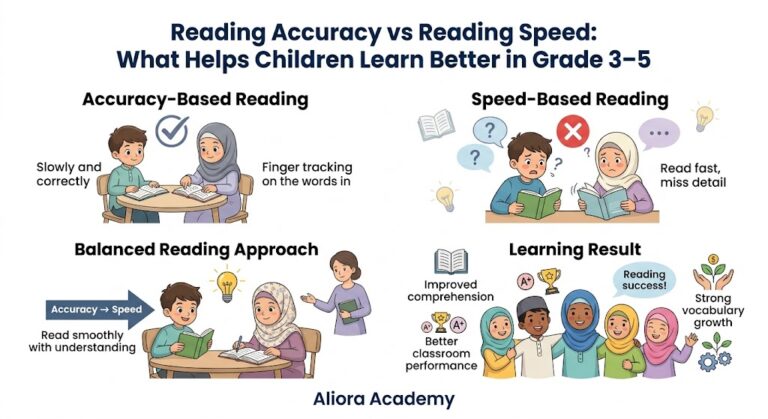
One common mistake is focusing only on reading speed. Fast reading without understanding provides limited learning value. Students need a balance between speed and comprehension.
Another mistake is skipping unfamiliar words. Every new word represents a learning opportunity. Encouraging curiosity helps students develop stronger language skills.
Parents sometimes rely solely on worksheets instead of meaningful reading experiences. Combining reading, discussion, writing, and structured instruction produces better results than isolated drills often addressed through English classes for Grade 3.
Students should avoid:
- Guessing every unfamiliar word
- Reading without discussion
- Avoiding challenging books
- Memorizing definitions only
- Inconsistent reading habits
Strong literacy growth comes from active engagement with language. For more ideas, visit the Aliora Academy blog or explore our reading category for additional articles.
Frequently Asked Questions
How can my child improve reading at home?
Create a daily reading routine, discuss books together, encourage questions, and expose your child to a variety of reading materials. Consistency is more important than long study sessions.
What is the best way to build reading habits daily?
Set aside a specific reading time each day, allow children to choose books they enjoy, and celebrate progress through positive encouragement and discussion.
How do reading tools improve comprehension skills?
Reading tools provide structured practice, targeted vocabulary instruction, guided reading activities, and skill-based exercises that help students understand texts more effectively.
Conclusion
Vocabulary growth is a critical part of reading success for students in Grades 3–5. Strong word knowledge supports reading fluency, comprehension, writing, communication, and academic achievement across all subjects.
Children develop stronger literacy skills when they read regularly, engage in meaningful discussions, practice new vocabulary, and receive structured support. Parents and teachers both play important roles in creating consistent learning opportunities. If you notice your child may need extra help, understanding the signs your Grade 3 child needs a reading intervention can help you act early.
Well-designed reading tools help students progress through organized skill development, making vocabulary learning more effective and easier to apply in real reading situations. With daily practice and the right support, students can become more confident, capable, and successful readers. Don't forget to also consider reducing homework stress at home so that learning remains positive and engaging.