Grade 5 Reading Comprehension Strategies Every Parent Should Know
Grade 5 Reading Comprehension Strategies can make a significant difference when a child reads fluently but still cannot explain what the passage means. Many parents notice this challenge when homework takes longer than expected or test scores do not reflect the effort their child puts into reading.
Teachers often see students in Grades 3–5 who can read words correctly but struggle to identify the main idea, make connections, or answer deeper questions. This gap becomes more noticeable as classroom texts become longer and more complex.
Strong reading abilities affect every academic subject. Students use reading skills in science, social studies, mathematics, and writing activities. When comprehension improves, confidence often improves as well.
A common mistake many students make is reading too quickly without thinking about meaning. Others focus only on difficult words and lose track of the overall message. Some children simply do not know how to monitor their understanding while reading.
The good news is that reading growth follows a clear path. With structured practice, guided support, and consistent routines, children can strengthen comprehension skills, reading fluency, and vocabulary development over time.
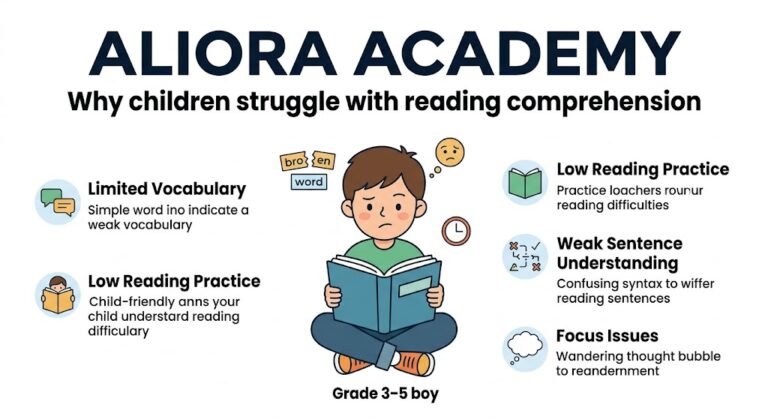
Why Do Students Struggle With Reading Comprehension in Grades 3–5?
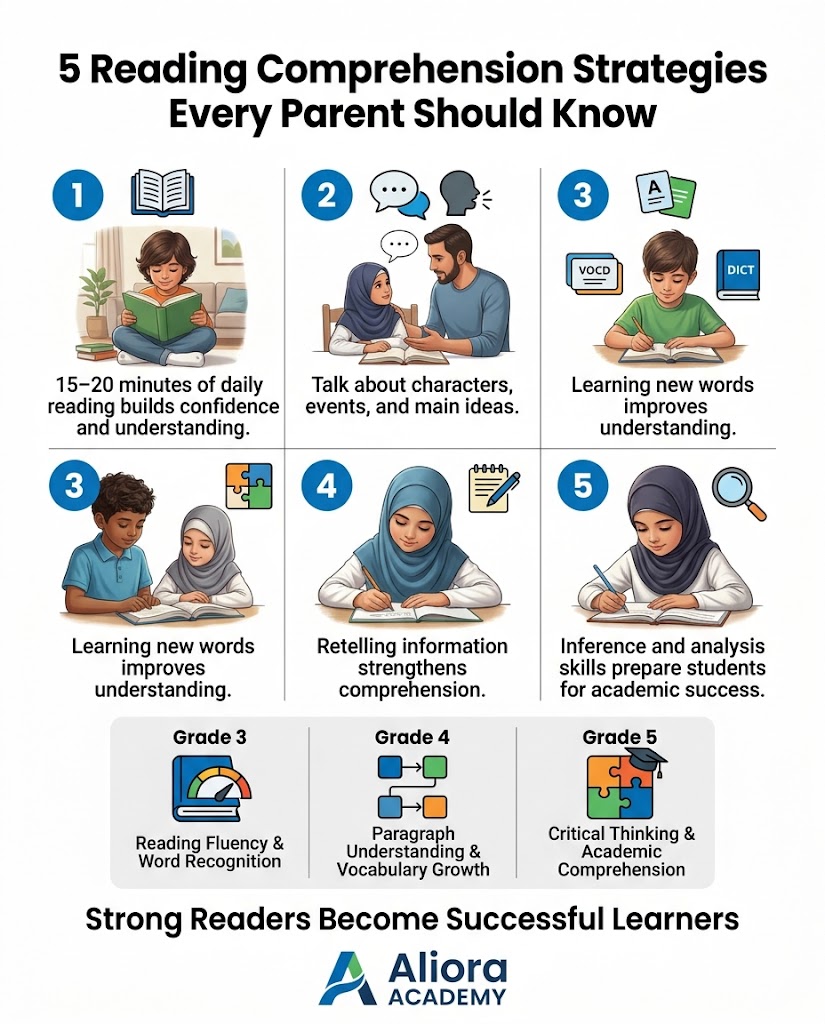
As students move through elementary school, reading expectations change. In Grade 3, children focus on word recognition and understanding simple sentences. By Grade 4, they must understand paragraphs and story structure. In Grade 5, they begin analyzing information, drawing conclusions, and making inferences.
Many students appear to read successfully because they pronounce words correctly. However, understanding meaning requires active thinking before, during, and after reading.
Teachers frequently observe several challenges:
- Limited background knowledge
- Weak vocabulary
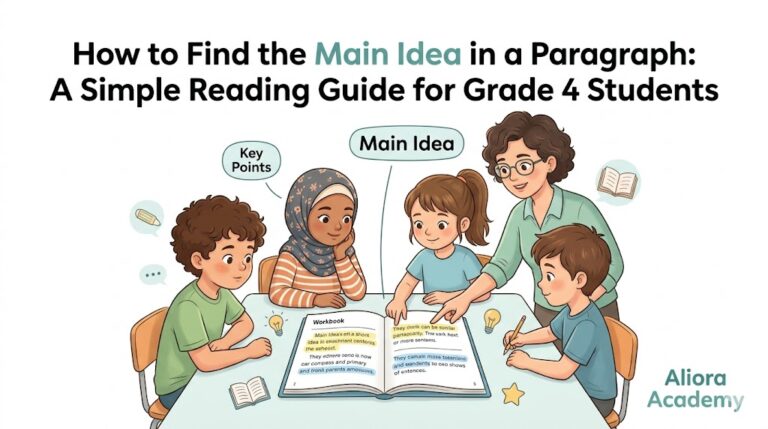
- Difficulty identifying main ideas
- Lack of reading stamina
- Poor attention to text details
- Inconsistent reading habits
Parents may notice signs a child struggles to understand what they read when the child cannot retell a story, answer simple questions, or explain information from a passage.
Students who need additional support often benefit from structured reading instruction available through English classes for Grade 5 where comprehension skills receive focused attention.
How Can Parents Support Reading Growth at Home?
Home support plays an important role in reading development. Children make stronger progress when reading becomes part of a daily routine rather than an occasional activity.
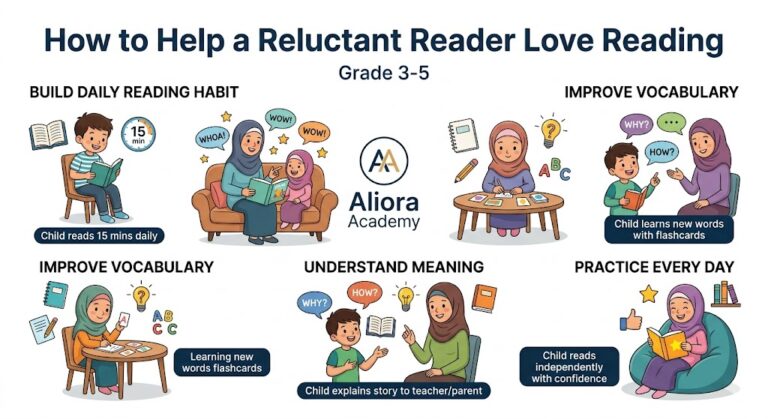
Parents can create a simple reading environment by setting aside a consistent time each day. Even fifteen to twenty minutes of focused reading can help strengthen learning habits.
A useful approach includes:
- Read together regularly.
- Ask questions during reading.
- Discuss characters and events.
- Encourage predictions.
- Review important vocabulary.
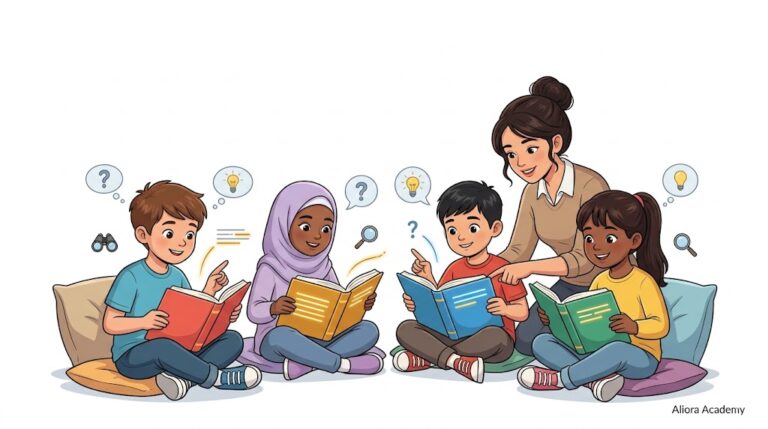
When families discuss books naturally, children learn to think more deeply about text. These conversations improve understanding and help students connect reading to everyday experiences.
Many families looking for structured academic guidance explore English classes for Grade 4 because reading habits developed during elementary years often influence future academic success.
Another effective strategy involves asking children to summarize what they read in their own words. This simple exercise helps parents identify comprehension gaps immediately.
What Reading Skills Should Students Develop at Each Grade Level?
Reading development follows a progression across Grades 3–5.
Grade 3 Focus
Students work on:
- Basic reading fluency
- Word recognition
- Sentence understanding
- Reading accuracy
Children at this stage need frequent practice with age-appropriate texts and guided discussion through programs such as English classes for Grade 3.
Grade 4 Focus
Students begin:
- Understanding longer passages
- Identifying themes
- Expanding vocabulary
- Connecting ideas across paragraphs
This stage often requires stronger vocabulary development because unfamiliar words can affect overall comprehension.
Grade 5 Focus
Students learn:
- Critical reading
- Inference skills
- Evidence-based thinking
- Academic comprehension
These advanced skills prepare students for middle school coursework and more challenging academic texts.
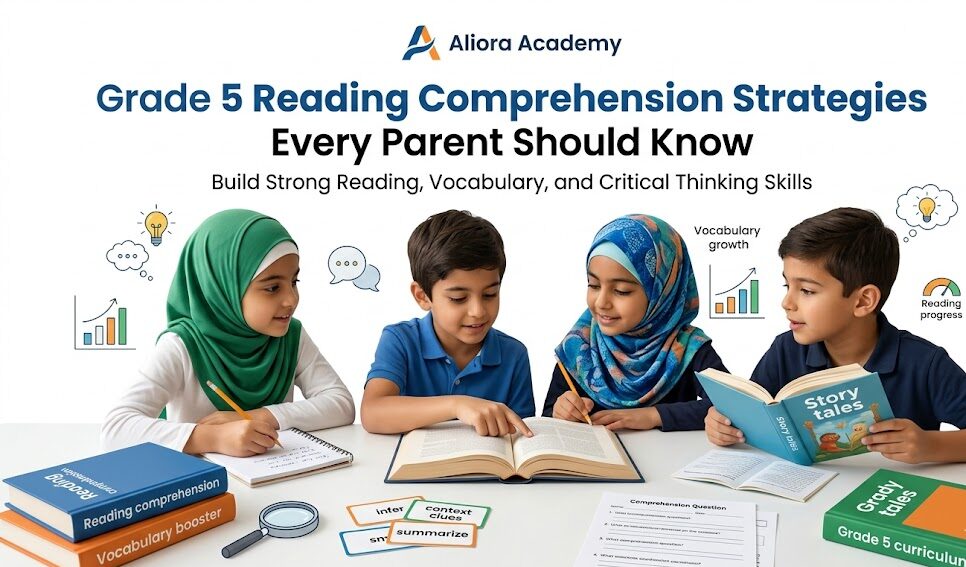
How Do Structured Reading Tools Improve Learning Outcomes?
Structured reading tools provide a clear framework for practice. Instead of reading randomly, students focus on specific skills that support comprehension growth.
A quality reading tool typically helps students:
- Identify key ideas
- Understand vocabulary in context
- Answer comprehension questions
- Build critical thinking skills
- Monitor understanding
Unlike unstructured reading activities, tools guide students through a learning process that develops stronger reading habits.
Teachers often recommend combining reading tools with guided instruction through online English classes to create a balanced learning experience.
One example of effective reading comprehension techniques for elementary students is teaching children to stop after each paragraph and summarize what they learned before moving forward.
Structured practice also helps students connect reading with writing, grammar, sentence structure, and communication skills, creating a stronger foundation for academic English.
What Real-Life Reading Challenges Do Students Face?
Example 1: Slow Reading Student
A Grade 3 student read accurately but very slowly. The child focused on every word and often forgot information from the beginning of the passage.
The solution involved repeated reading activities and guided fluency practice supported through an English learning program.
After several weeks, the student read more smoothly and retained information more effectively.
Example 2: Poor Comprehension Learner
A Grade 4 student could read stories aloud but struggled to answer questions afterward.
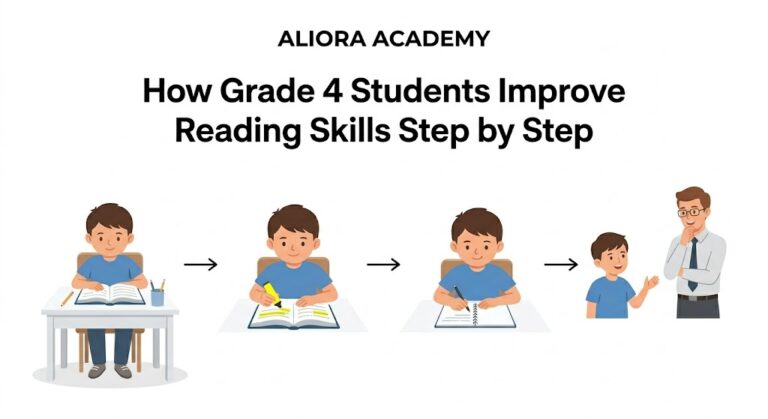
The teacher introduced a reading tool that encouraged note-taking, questioning, and summarization.
Combined with structured support from online English classes, the student became more confident in discussing story details and main ideas.
Example 3: Vocabulary Weak Student
A Grade 5 student encountered difficulty understanding academic texts because many words were unfamiliar.
The solution focused on vocabulary journals, context clues, and targeted reading practice through an English learning program.
As vocabulary knowledge increased, comprehension scores improved and classroom participation became stronger.
What Mistakes Do Students Commonly Make During Reading Practice?
Many students unknowingly develop habits that limit reading growth.
Common mistakes include:
- Reading without a purpose
- Skipping unfamiliar words
- Ignoring context clues
- Rushing through passages
- Not reviewing key information
Teachers frequently observe that students who actively engage with a text perform better than students who simply move through pages quickly.
Parents asking how parents can help improve reading skills at home should encourage discussion, questioning, and reflection instead of focusing only on reading speed.
Students who practice these habits consistently often discover new ways for fifth graders to become better readers while also improving critical thinking and communication abilities.
Frequently Asked Questions
How can my child improve reading at home?
Create a daily reading routine, discuss books together, ask comprehension questions, and encourage summarization after reading sessions.
What is the best way to build reading habits daily?
Start with a consistent schedule, provide age-appropriate books, and make reading a regular part of family learning time.
How do reading tools improve comprehension skills?
Reading tools provide guided practice, structured questioning, vocabulary support, and progress tracking that help students understand texts more effectively.
Conclusion
Reading success requires more than simply recognizing words. Students in Grades 3–5 must develop strong comprehension skills, reading fluency, critical thinking abilities, and academic vocabulary.
Parents can support this growth through daily reading routines, meaningful conversations, and structured learning activities. Consistent practice helps students build confidence and become more independent readers.
Well-designed reading tools provide focused support by targeting specific skill gaps and helping students apply effective reading strategies. When combined with regular practice and guided instruction, these tools can help children become stronger readers across all academic subjects.