Signs Your Child is Falling Behind in Math and What to Do
Signs your child is falling behind in math can appear long before report cards show a problem. Many parents first notice small changes. A child who once enjoyed math homework may suddenly avoid it. Another student may struggle to remember multiplication facts, become frustrated during word problems, or lose confidence in class discussions.
Math learning builds step by step. When a student misses one important concept, future lessons often become more difficult. For example, a child who does not fully understand place value may later struggle with multiplication, division, fractions, and problem solving.
Many elementary students face challenges in mathematics at some point. These difficulties may result from learning gaps, limited practice, weak number sense, low confidence, or ineffective study habits. The good news is that early support can help children regain confidence and improve their performance.
Parents do not need to wait until grades drop significantly before taking action. Understanding the warning signs and providing the right support can make a meaningful difference in a child's academic success.
This guide explains how to recognize math learning challenges, why they happen, and what practical steps parents can take to help children strengthen their mathematics skills.
What Are the Early Signs That Your Child Is Falling Behind in Math?
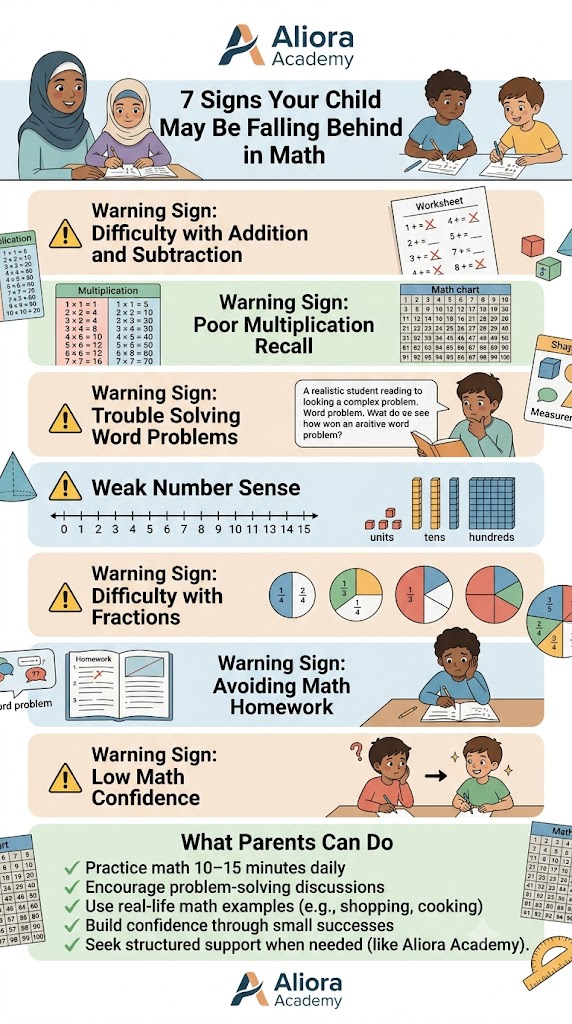
One of the first indicators is difficulty completing age-appropriate math tasks independently. Children may need excessive help with homework that classmates can complete without assistance.
Another common sign is poor recall of basic facts. Students may struggle to remember addition, subtraction, multiplication, or division facts even after repeated instruction. This often slows down more advanced learning because they spend too much mental energy on basic calculations.
Parents may also notice avoidance behaviors. A child might delay homework, complain about math lessons, or become anxious when math activities are mentioned. This emotional response often develops when students feel unsuccessful.
Other warning signs include:
- Frequent mistakes in simple calculations
- Difficulty following multi-step instructions
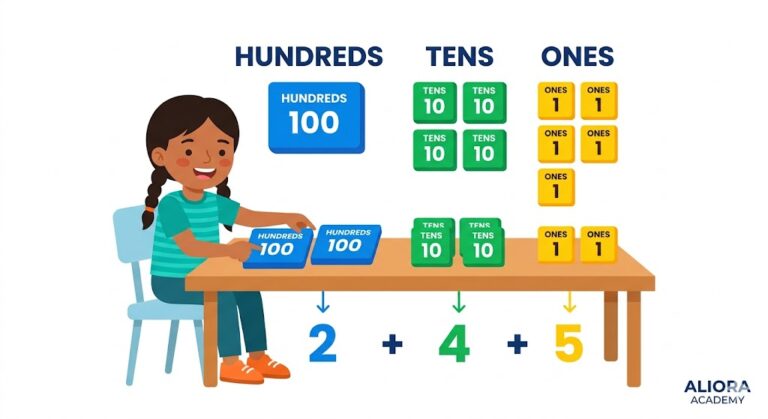
- Confusion with place value concepts
- Problems understanding fractions
- Weak performance on quizzes and tests
- Slow completion of assignments
- Difficulty explaining mathematical thinking
A child who consistently experiences these challenges may be showing warning signs a child is struggling with math rather than simply having an occasional difficult day.
Early intervention is important because mathematics is cumulative. Skills learned in one grade support learning in future grades.
Why Do Some Children Struggle With Math Concepts?
Children struggle with mathematics for many different reasons. In most cases, the issue is not intelligence. Instead, it often involves gaps in foundational learning.
One major cause is weak number sense. Number sense helps students understand relationships between numbers and estimate answers. Without this foundation, many higher-level concepts become confusing.
Some children also have difficulty connecting abstract mathematical ideas to real-world situations. For example, fractions may seem confusing until students see how fractions relate to sharing food or measuring ingredients.
Other contributing factors include:
- Missed classroom instruction
- Inconsistent practice
- Math anxiety
- Lack of confidence
- Difficulty reading word problems
- Weak study habits
Students in elementary grades often experience challenges when moving from simple arithmetic to more complex concepts. These transitions require stronger reasoning and deeper understanding.
Parents wondering how to know if your child is behind in mathematics should pay attention to patterns rather than isolated mistakes. Consistent struggles across several topics often indicate a learning gap that needs attention.
Why Is Number Sense So Important for Math Success?
Number sense is one of the most important building blocks of mathematics learning. It allows students to understand how numbers work and interact with one another.
Children with strong number sense can:
- Estimate answers
- Compare quantities
- Recognize patterns
- Solve problems efficiently
- Check whether answers are reasonable
Without these skills, students often rely on memorization rather than understanding. Memorization alone becomes less effective as math concepts become more advanced.
For Grade 3 students, number sense supports:
- Place value understanding
- Addition and subtraction
- Multiplication basics
- Number patterns
Students enrolled in online math classes can often strengthen these foundational skills through guided practice and visual learning activities.
As students progress into Grade 4 and Grade 5, number sense becomes essential for fractions, decimals, measurement, and problem solving.
When children understand why mathematical procedures work, they become more confident and independent learners.
Why Are Word Problems Difficult for Many Students?
Word problems require multiple skills working together. Students must read carefully, understand the situation, identify relevant information, and choose an appropriate strategy.
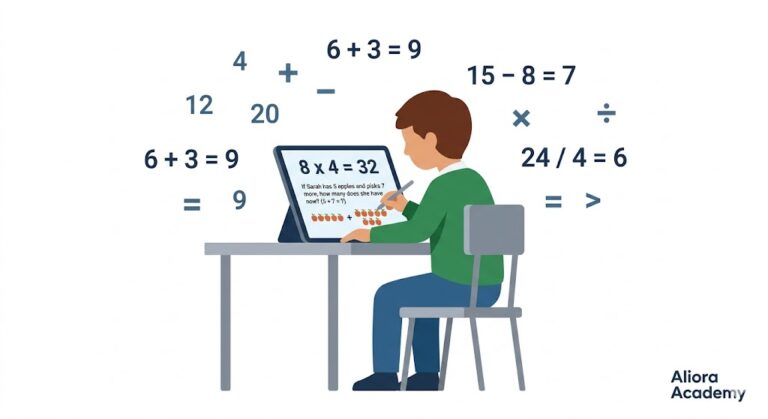
Many children can solve numerical equations but struggle when those same concepts appear in story form.
Common challenges include:
- Weak reading comprehension
- Difficulty identifying key information
- Trouble selecting operations
- Limited logical reasoning skills
- Poor problem-solving strategies
Consider this example:
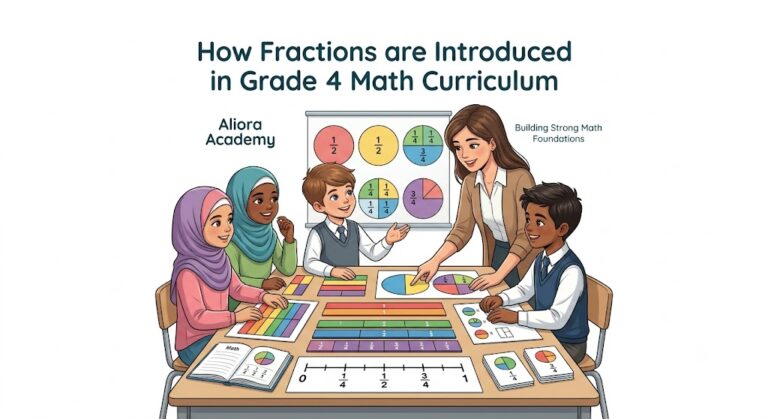
A Grade 4 student understands fractions during worksheets but struggles when fractions appear in real-world word problems. After using visual models and drawing diagrams, the student begins recognizing fraction relationships more clearly. Over time, accuracy and confidence improve significantly.
This example demonstrates how targeted support can improve understanding rather than simply increasing repetition.
Developing strong critical thinking and problem solving skills helps students approach unfamiliar questions with confidence.
How Do Grade-Level Math Challenges Change as Students Grow?
Math expectations become more complex every year.
Grade 3 Challenges
Students commonly focus on:
- Addition and subtraction
- Multiplication basics
- Place value
- Number patterns
- Word problems
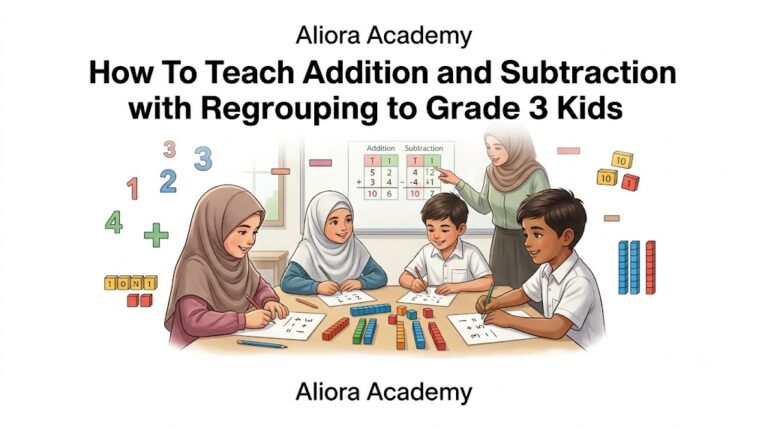
A Grade 3 student may struggle to memorize multiplication facts. Through daily multiplication practice, interactive games, and structured support from a math classes for Grade 3 program, the student gradually develops fluency and performs calculations more efficiently.
Grade 4 Challenges
Students encounter:
- Multi-digit operations
- Fractions
- Measurement
- Geometry basics
- Problem solving
Many students require additional fractions help during this stage because fractions introduce new ways of thinking about numbers.
Parents exploring a structured math classes for Grade 4 program often find that guided instruction helps students bridge learning gaps before they become larger problems.
Grade 5 Challenges
Students begin working with:
- Advanced fractions
- Decimals
- Multi-step word problems
- Geometry concepts
- Mathematical reasoning
For example, a Grade 5 student may feel overwhelmed by multi-step problems. After learning how to break problems into smaller parts, the student becomes more organized and develops stronger mathematical thinking.
A comprehensive math classes for Grade 5 curriculum can provide targeted support during this important transition.
How Can Parents Support Math Learning at Home?
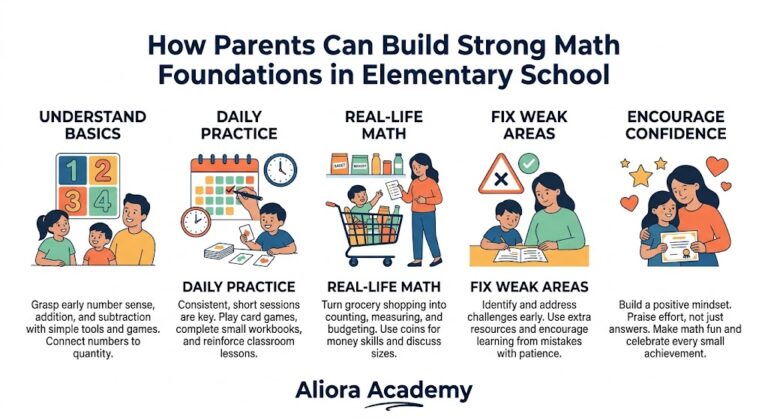
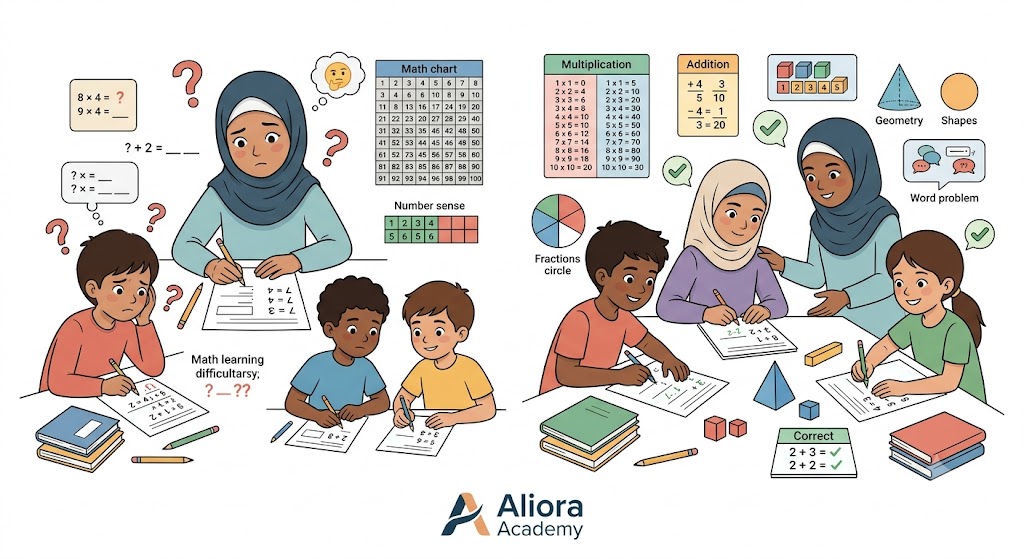
Parents play a significant role in helping children build confidence and consistency.
Simple daily habits can create meaningful improvement.
Helpful strategies include:
- Practice math for 10–15 minutes daily.
- Encourage children to explain their thinking.
- Use real-life examples during shopping and cooking.
- Celebrate effort and progress.
- Review mistakes together without criticism.
- Create a distraction-free homework environment.
Families can also strengthen independent learning skills by encouraging children to solve problems before asking for help.
When parents model a positive attitude toward mathematics, children often become more willing to engage with challenging concepts.
Students who need additional support may benefit from a structured math learning program that provides systematic instruction and consistent practice.
How Can Students Build Math Confidence Again?
Confidence often improves when students experience small, consistent successes.
Children who feel behind frequently believe they are "bad at math." In reality, many simply need targeted support and more opportunities to practice foundational skills.
Effective confidence-building strategies include:
- Setting small achievable goals
- Practicing mental math regularly
- Tracking improvement over time
- Reviewing previous successes
- Focusing on understanding rather than speed
Students should learn that mistakes are part of the learning process. Every error provides information about what needs additional practice.
A quality math tutoring or online math classes experience can provide personalized guidance that helps students rebuild confidence while improving performance.
The goal is not perfection. The goal is steady progress and stronger mathematical understanding.
What Should Parents Do If Their Child Is Already Falling Behind?
If you recognize signs your child is falling behind in math, taking action early is important.
Start by identifying specific areas of difficulty rather than viewing math as one large subject.
Ask questions such as:
- Is my child struggling with arithmetic skills?
- Are fractions causing problems?
- Is reading comprehension affecting word problems?
- Does my child lack confidence?
Then create a plan:
- Assess current skill levels.
- Address foundational gaps.
- Establish a consistent practice schedule.
- Use visual learning methods.
- Seek professional support if necessary.
Many cases of common math learning difficulties in elementary students improve significantly when parents and educators work together consistently. Browse our math learning resources for additional tips and structured guidance.
Early intervention helps prevent small gaps from becoming major obstacles in later grades.
FAQs
How can my child improve math skills at home?
Daily practice, real-life math activities, mental math exercises, and reviewing mistakes together can strengthen mathematics skills. Consistency is more effective than occasional long study sessions.
What is the best way to learn multiplication tables?
Students learn multiplication best through repeated practice, visual models, games, patterns, and applying multiplication to real-world situations rather than memorization alone.
How do online math classes help students succeed?
Online math classes provide structured lessons, guided practice, personalized feedback, and opportunities to strengthen foundational concepts while building confidence and problem-solving skills.
Conclusion
Recognizing the signs your child is falling behind in math early can make a significant difference in academic growth. Many students struggle because of gaps in foundational knowledge, weak number sense, difficulty with word problems, or reduced confidence.
The most effective solutions focus on strengthening core mathematics skills, improving problem solving abilities, building logical thinking, and encouraging consistent practice. Parents who provide support at home and seek appropriate educational guidance can help children overcome challenges before they become larger obstacles.
With patience, structured learning, and regular practice, students can improve their math confidence, develop stronger mathematical reasoning, and achieve long-term success in Grade 3, Grade 4, Grade 5, and beyond.