Grade 4 Homework Help: Supporting Independent Learners at Home
Grade 4 Homework Help becomes increasingly important when students begin facing more challenging assignments and greater expectations for independent learning. Many parents notice that a child who completed homework easily in earlier grades suddenly starts spending much longer on assignments, forgetting tasks, or becoming frustrated when working alone.
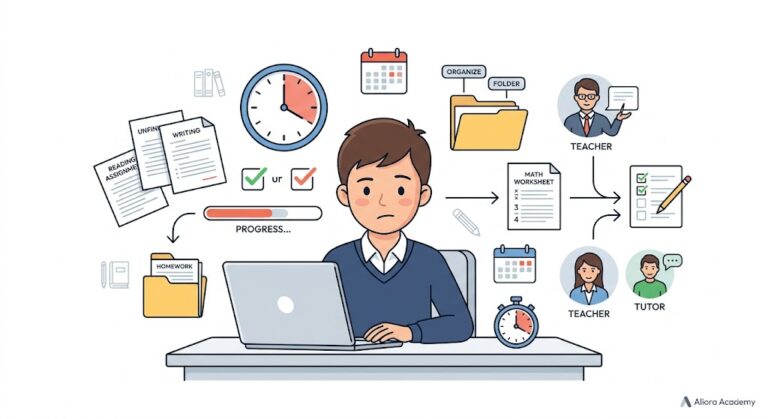
A common example is a fourth-grade student who understands lessons in class but struggles to organize assignments at home. Homework time can quickly become stressful when students forget instructions, lose worksheets, or feel overwhelmed by multiple subjects.
These challenges matter because homework is not only about completing assignments. It helps children build study skills, develop responsibility, strengthen problem-solving abilities, and improve academic confidence. When homework struggles continue for long periods, students may begin to doubt their abilities and lose motivation.
Several factors can contribute to homework difficulties in Grade 4. Academic expectations increase, reading comprehension becomes more complex, writing assignments require deeper thinking, and math problems often involve multiple steps. Students are also expected to manage their work more independently than before.
With the right support, children can develop stronger learning habits, improve homework completion, and become confident independent learners. Parents, teachers, and structured academic support programs can all play an important role in helping students succeed.
Why Do Grade 4 Students Often Struggle With Homework?
Grade 4 is a transitional year in elementary education. Students move beyond basic skill practice and begin applying what they have learned in more advanced ways. This shift can make homework feel more challenging than it did in previous grades.
Many assignments require students to think critically rather than simply recall information. Reading comprehension tasks often involve analyzing passages, identifying themes, and answering detailed questions. Writing assignments may require planning, drafting, and revising.
Students may also experience difficulties with organization. Keeping track of notebooks, worksheets, projects, and deadlines becomes increasingly important. Without strong organizational habits, homework can quickly become overwhelming.
Common homework challenges include:
- Forgetting assignment instructions
- Losing homework materials
- Difficulty managing time
- Avoiding difficult subjects
- Becoming distracted during study time
- Feeling frustrated by mistakes
Parents should remember that these struggles do not necessarily indicate poor academic ability. In many cases, students simply need guidance in developing stronger executive functioning skills and homework routines.
Families looking for structured support often benefit from a dedicated homework help program available through Aliora Academy's homework support services.
Why Is Homework Completion Important For Academic Success?
Homework completion helps students reinforce classroom learning and practice important skills independently. Consistent homework habits often contribute to stronger academic performance over time.
When students regularly complete assignments, they strengthen their understanding of concepts taught in school. This additional practice helps improve retention and allows teachers to identify areas where extra support may be needed.
Homework also develops important life skills, including:
- Responsibility
- Time management
- Self-discipline
- Goal setting
- Problem-solving
- Independent learning
These skills become increasingly valuable as students progress through elementary school and eventually prepare for middle school.
A student who consistently completes assignments is more likely to arrive at school prepared, participate confidently in class discussions, and perform better on assessments.
Parents can support homework completion by creating predictable routines, minimizing distractions, and encouraging effort rather than perfection. Positive reinforcement often helps students develop long-term motivation.
When homework becomes a daily struggle, professional academic support can help students build effective study habits and regain confidence. For more detailed strategies, you can read about how to help your child complete homework without stress.
How Can Parents Support Homework Without Doing It For Their Child?
One of the biggest challenges parents face is finding the right balance between helping and allowing independence. Too much assistance can prevent students from developing problem-solving skills, while too little support may leave them feeling frustrated.
Parents should focus on becoming coaches rather than homework managers. Instead of providing answers, ask questions that encourage thinking and guide children toward solutions.
Helpful approaches include:
- Asking students to explain instructions
- Encouraging them to check their work
- Breaking large assignments into smaller tasks
- Teaching planning strategies
- Providing encouragement during challenges
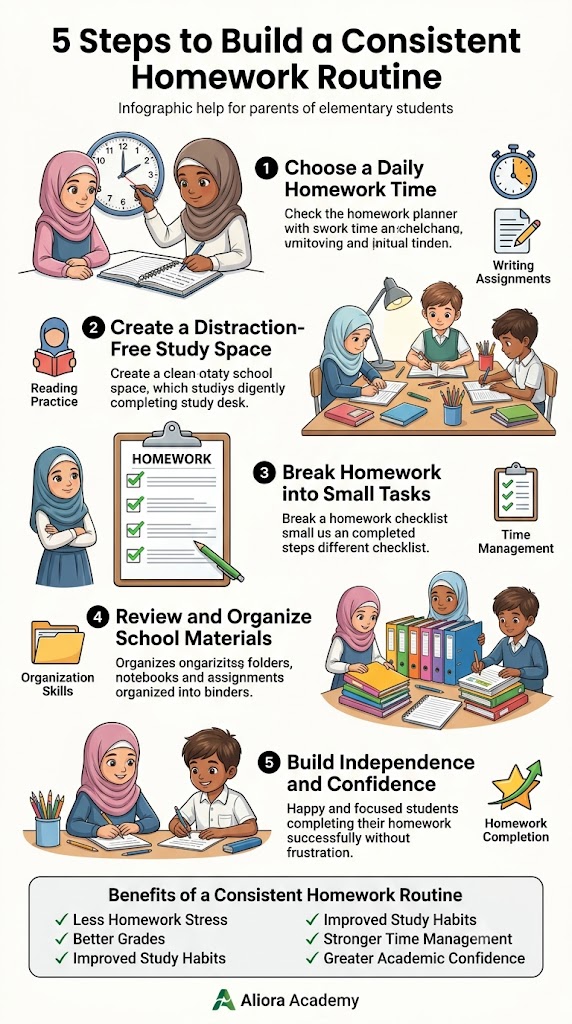
Creating a dedicated homework space can also improve concentration. A quiet, organized environment helps students stay focused and complete assignments more efficiently.
It is equally important to establish a consistent schedule. Children often perform better when homework occurs at the same time each day. Our guide on structuring homework sessions offers practical tips for building that routine.
Families seeking additional online homework help may benefit from structured guidance that supports learning while encouraging student independence.
How Can Students Become More Independent Learners?
Independent learning develops gradually. Students become more self-sufficient when they learn how to manage tasks, monitor progress, and solve problems on their own.
A strong homework routine is one of the most effective ways to encourage independence. Students should learn to review assignments, prioritize tasks, gather materials, and estimate the time required for completion.
Important habits include:
- Recording assignments daily
- Using checklists
- Reviewing instructions carefully
- Organizing materials
- Checking completed work before submission
Students should also learn that making mistakes is a normal part of learning. Productive struggle helps children build resilience and confidence.
Teachers and academic support specialists often encourage students to develop self-reflection skills by asking questions such as:
- What is my goal?
- What do I already know?
- What do I need help understanding?
- How can I check my work?
These strategies help children gradually take ownership of their learning process. For younger students building foundational skills, homework help for Grade 3 can establish these habits early.
Why Do Some Students Take Much Longer To Finish Assignments?
Many parents wonder why homework that should take 20 minutes sometimes turns into a two-hour struggle.
Several factors can contribute to slow homework completion. Some students have difficulty focusing, while others spend excessive time worrying about making mistakes. In some cases, organizational challenges cause significant delays.
Common causes include:
- Poor time management
- Frequent distractions
- Difficulty understanding instructions
- Reading challenges
- Perfectionism
- Weak organizational skills
Breaking assignments into smaller sections often improves productivity. For example, a student might complete math homework first, take a short break, and then move to reading activities.
Using timers can also help students maintain focus. Many educators recommend working for 20 to 30 minutes followed by a brief movement break.
Parents should monitor patterns rather than individual assignments. If homework consistently takes much longer than expected, additional academic support may be beneficial. You might find useful insights in our article on why a child takes so long to finish homework.
What Can We Learn From Real Student Homework Success Stories?
Example 1: Grade 3 Student Struggling To Finish Homework
A Grade 3 student regularly spent over two hours completing simple assignments. The main challenge was difficulty understanding instructions and staying focused. The solution involved using structured checklists and accessing homework help for Grade 3 resources that simplified assignment planning. Within several weeks, the student completed homework more efficiently and developed stronger study habits.
Example 2: Grade 4 Student Improving Organization Skills
A Grade 4 student frequently misplaced worksheets and forgot assignment deadlines. Although capable academically, poor organization affected performance. The student began using a homework planner and received guidance through homework help for Grade 4 strategies focused on organization and responsibility. As a result, assignment completion improved significantly, and confidence increased.
Example 3: Grade 5 Student Managing Multiple Subjects Independently
A Grade 5 student struggled with balancing reading assignments, math practice, research projects, and writing tasks. The student learned prioritization techniques and utilized homework help for Grade 5 resources designed for advanced elementary learners. Over time, the student developed stronger planning skills and became more prepared for middle school expectations.
How Can Homework Support Prepare Students For Future Academic Success?
Homework support is not simply about getting assignments completed. Effective support helps students build lifelong learning skills that contribute to future academic achievement.
Students who develop strong study habits in elementary school often transition more successfully into higher grade levels. They are better prepared to manage increased workloads and more complex assignments.
Key long-term benefits include:
- Improved academic confidence
- Better organization skills
- Stronger time management
- Greater independence
- Increased motivation
- Enhanced problem-solving abilities
Programs that focus on both academic understanding and learning habits provide the greatest long-term value. Many families also explore online homework help programs for elementary students to find comprehensive support.
Parents should view homework support as an opportunity to teach skills that extend beyond individual assignments. When children learn how to plan, organize, and work independently, they gain tools that support success throughout their educational journey.
Frequently Asked Questions
How can I help my child finish homework faster?
Create a consistent homework routine, reduce distractions, break assignments into smaller tasks, and encourage the use of planners or checklists. Focus on building good study habits rather than rushing through assignments.
What should I do if my child refuses to do homework?
Try identifying the underlying cause. Students may avoid homework because they feel overwhelmed, confused, tired, or discouraged. Open communication and structured support often help address the root problem.
How does online homework help improve academic performance?
Online homework support provides guidance, accountability, organization strategies, and subject-specific assistance. Students often gain confidence, improve homework completion rates, and develop stronger independent learning skills.
Conclusion
Grade 4 is an important stage in a child's academic development. Students are expected to take greater responsibility for assignments, manage their time effectively, and apply increasingly advanced learning skills. While homework challenges are common, they can be addressed through consistent routines, organizational strategies, parent support, and appropriate academic guidance.
Strong homework completion habits help students build academic confidence, improve study skills, strengthen time management, and become more independent learners. Whether a child is working through reading assignments, writing activities, math homework, or school projects, developing effective learning habits today creates a stronger foundation for future success.
By supporting independence rather than providing answers, parents can help children become capable, confident learners who are prepared for the challenges of Grade 5 and beyond.