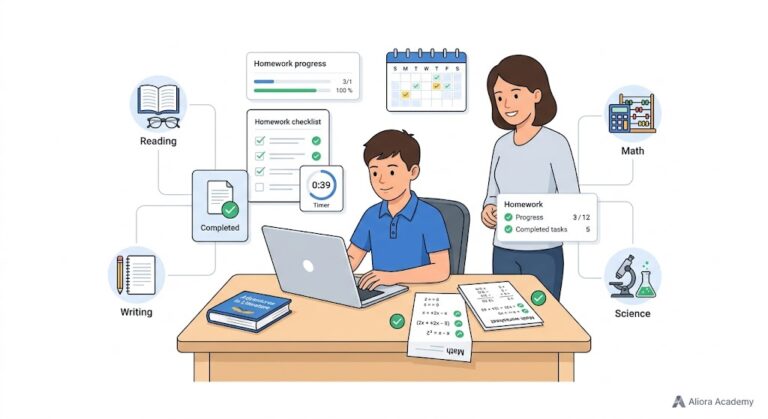
Child Takes So Long to Finish Homework
Why Does My Child Take So Long to Finish Homework?
If your child takes so long to finish homework, you are not alone. Many parents find themselves spending hours every evening helping with assignments, reminding children to stay focused, and dealing with frustration when simple tasks seem to take much longer than expected.
Imagine a Grade 4 student who receives only a few homework tasks but still spends the entire evening trying to complete them. The child gets distracted, forgets instructions, and needs constant reminders to stay on task. Over time, this can create stress for both parents and students.
When a child takes so long to finish homework, the issue is often about more than the homework itself. Difficulties with organization, time management, reading comprehension, assignment understanding, and independent learning skills can all contribute to slower homework completion.
The good news is that most homework challenges can be improved with the right support, structure, and learning strategies. By understanding the reasons behind slow homework completion, parents can help children build confidence, improve productivity, and develop stronger academic habits.
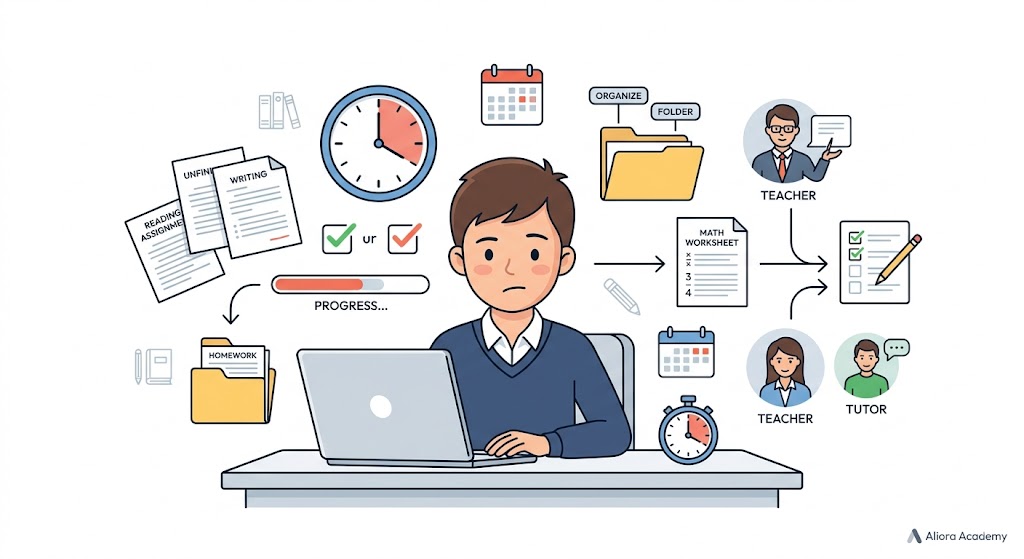
Why Do Some Children Take Longer to Finish Assignments?
Children complete homework at different speeds. Some students can finish assignments independently, while others require much more time and guidance.
One common reason is a lack of assignment understanding. A child who does not fully understand classroom lessons may spend extra time trying to figure out homework instructions.
Another factor is weak study skills. Many elementary students have not yet learned how to organize tasks, prioritize work, or break larger assignments into smaller steps.
Distractions also play a major role. Television, mobile devices, noisy environments, and frequent interruptions can significantly reduce focus and productivity.
Children may also work slowly because they worry about making mistakes. Perfectionism often causes students to erase answers repeatedly, reread instructions multiple times, or spend excessive time on small details.
Common causes include:
- Difficulty understanding lessons
- Poor organization skills
- Limited attention span
- Weak reading skills
- Lack of homework motivation
- Fear of making mistakes
- Ineffective study habits
Identifying the root cause is the first step toward improving homework completion.
Why Do Children Struggle With Homework Completion?
Homework completion requires multiple academic and executive functioning skills working together.
Students must remember assignments, understand instructions, gather materials, manage time, and stay focused until the task is complete. When one of these skills is weak, homework can become challenging.
For example, a student may understand math concepts perfectly but struggle to organize notebooks and worksheets. Another student may be highly organized but need extra time to read and understand written instructions.
Children who regularly experience homework difficulties may begin associating homework with stress. This can reduce motivation and make assignments feel even more difficult.
Parents often notice signs such as:
- Frequent procrastination
- Avoiding homework discussions
- Complaints about being tired
- Missing assignments
- Emotional frustration during homework sessions
Consistent support and structured routines can help students overcome these obstacles and develop stronger learning habits.
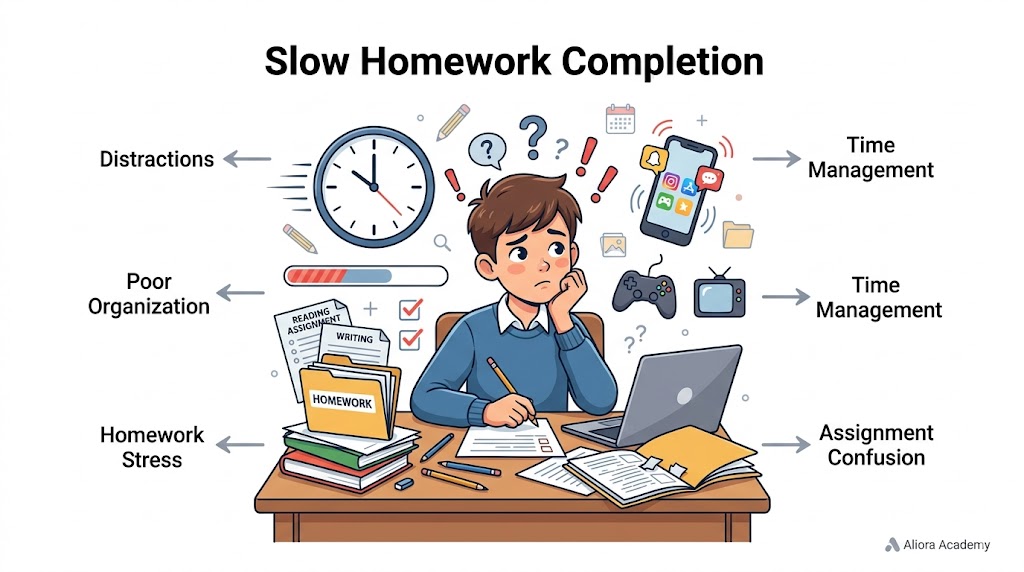
How Does Time Management Affect Homework Performance?
Time management is one of the most important skills for academic success.
Many elementary students simply have not learned how long assignments should reasonably take. Without guidance, they may spend too much time on easy tasks and rush through more difficult work.
Teaching children to estimate time can improve homework efficiency. For example, a reading assignment may require twenty minutes, while a math worksheet may need fifteen minutes.
Helpful time-management strategies include:
- Create a daily homework schedule.
- Use a timer for focused work periods.
- Break larger assignments into smaller tasks.
- Complete difficult subjects first.
- Schedule short movement breaks.
Students who develop strong time-management habits often experience less stress and greater confidence in school.
What Role Do Organization Skills Play in Homework Success?
Strong organization skills help students complete assignments more efficiently.
When children cannot find worksheets, forget instructions, or lose school materials, homework naturally takes longer. Academic organization is especially important as students progress through higher grade levels.
Grade 3 students often need support managing folders, reading logs, and basic assignments. Parents looking for homework help for Grade 3 frequently discover that organization challenges contribute to homework delays.
Grade 4 students begin handling more independent assignments, making organization even more important. Accessing homework help for Grade 4 can help students build effective academic systems.
Grade 5 students often manage multiple subjects, projects, and research activities. Structured homework help for Grade 5 can support stronger planning and middle school readiness.
Parents can encourage organization by:
- Using homework folders
- Maintaining a homework checklist
- Keeping supplies in one location
- Reviewing assignments before starting work
- Establishing consistent study spaces
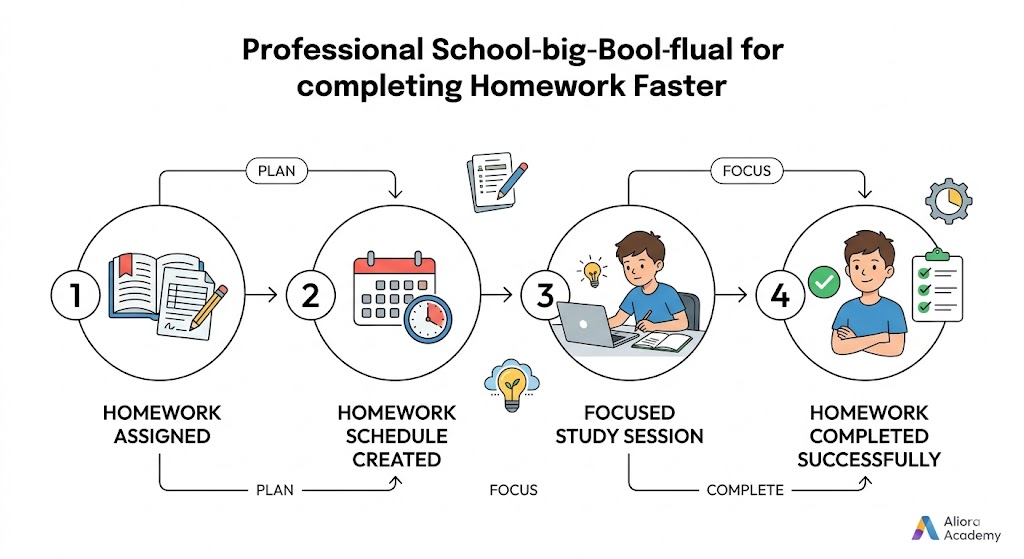
How Can Parents Reduce Homework Stress at Home?
Parents play an important role in creating a positive homework environment.
The goal is not to complete assignments for children but to provide support that encourages independent learning.
A predictable homework routine helps children know what to expect each day. Consistency reduces resistance and creates stronger habits over time.
Parents should focus on encouragement rather than pressure. Statements such as “Let’s work through the first question together” are often more effective than repeated reminders to hurry up.
Helpful parent support strategies include:
- Establishing a regular homework time
- Creating a quiet study area
- Limiting distractions
- Encouraging effort and progress
- Offering guidance without giving answers
Families seeking additional academic support often benefit from structured online homework help that reinforces classroom learning.
How Can Students Become More Independent Learners?
Independent learning is a skill that develops gradually.
Students become more independent when they learn how to solve problems, manage assignments, and monitor their own progress.
Parents and educators should encourage children to attempt tasks before requesting help. This builds resilience and confidence.
Students can strengthen independent learning by:
- Reading instructions carefully
- Asking specific questions
- Using assignment checklists
- Reviewing completed work
- Setting personal homework goals
Strong independence leads to improved academic confidence, better classroom participation, and greater responsibility.
Many students benefit from a structured homework help program that teaches learning strategies while promoting self-sufficiency.
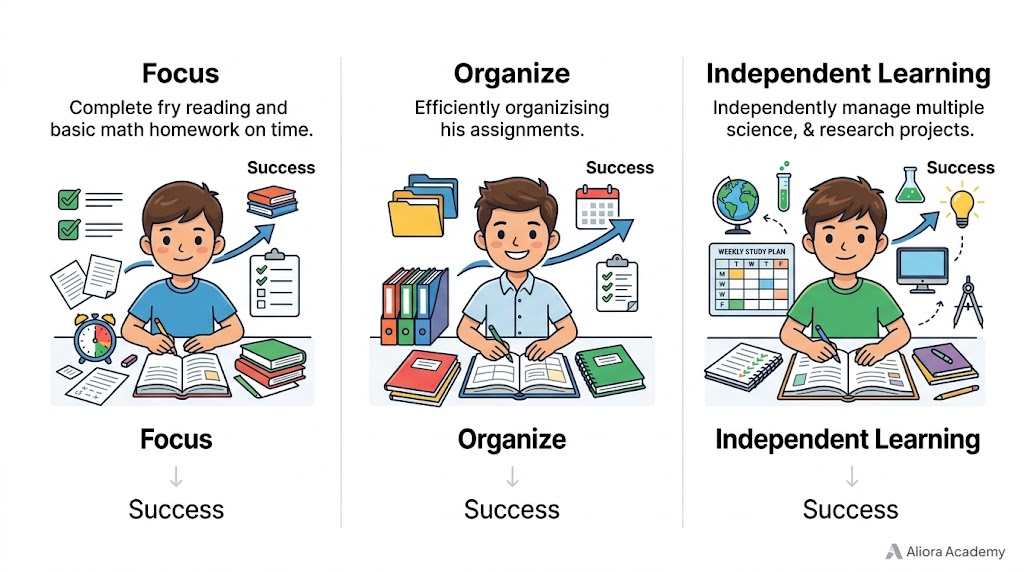
What Real-Life Examples Show Successful Homework Improvement?
Example 1: Grade 3 Student Struggling With Homework Completion
A Grade 3 student needed nearly two hours to finish basic reading and math assignments.
The challenge was frequent distractions and unclear routines.
The solution involved creating a dedicated homework schedule and using short work sessions with breaks.
Within several weeks, the student improved focus and completed assignments more efficiently.
Example 2: Grade 4 Student Improving Organization Skills
A Grade 4 student regularly forgot worksheets and homework instructions.
The challenge was poor academic organization.
The solution included a homework folder, daily checklist, and assignment review process.
As organization improved, homework completion became faster and less stressful.
Example 3: Grade 5 Student Managing Multiple Subjects Independently
A Grade 5 student struggled with research assignments, writing activities, and advanced math homework.
The challenge was balancing multiple subjects.
The solution involved creating a weekly study plan and prioritizing tasks.
The student developed stronger planning skills and became more confident managing assignments independently.
Why Is Homework Completion Important for Long-Term Academic Success?
Homework is not simply about finishing assignments. It helps students practice important skills that support future learning.
Regular homework completion strengthens:
- Reading comprehension
- Writing skills
- Mathematical thinking
- Research abilities
- Responsibility
- Productivity skills
- Independent learning habits
Students who consistently complete homework often build stronger academic confidence and classroom success.
Homework also provides opportunities for students to apply concepts learned during the school day, reinforcing long-term understanding.
Frequently Asked Questions
How can I help my child finish homework faster?
Create a consistent routine, reduce distractions, break assignments into smaller tasks, and encourage effective time-management habits. Focus on improving learning skills rather than simply increasing speed.
What should I do if my child refuses to do homework?
Identify the underlying cause first. Difficulty understanding lessons, frustration, anxiety, or lack of motivation may be contributing factors. Supportive conversations and structured academic support are often more effective than punishment.
How does online homework help improve academic performance?
Online homework support can provide assignment guidance, strengthen study skills, improve organization, and help students develop independent learning habits that support long-term academic success.
Conclusion
When a child takes so long to finish homework, the problem is often connected to organization, study skills, assignment understanding, or time management rather than laziness. By identifying the root cause and providing appropriate support, parents can help children build stronger learning habits and complete assignments more efficiently.
Developing effective homework routines, improving productivity skills, and encouraging independent learning can reduce stress while increasing academic confidence. Whether students are working on reading assignments, writing activities, math homework, science projects, or research tasks, consistent support and structured learning habits can make a meaningful difference in their educational growth.