Top Signs Your Grade 5 Student Needs Extra English Support
Grade 5 English learning support signs often appear quietly at home before they become visible in school results. A parent may notice their child struggling to form correct sentences, avoiding reading tasks, or hesitating when asked to explain ideas in English. For example, a Grade 5 student might understand the lesson in class but fail to write answers clearly in exams, which creates frustration and low confidence.
This stage is important because Grade 5 is where English shifts from basic learning to more structured academic use. Students are expected to write paragraphs, understand complex reading passages, and use richer vocabulary. When gaps appear here, they often continue into higher grades if not addressed early.
Many children face challenges due to weak grammar foundations, limited vocabulary exposure, or lack of regular reading habits. Some also struggle because they do not practice English in real-life communication, which slows down fluency and comprehension.
Recognizing these early signs helps parents take timely action and choose the right learning support, such as structured guidance from programs like the English learning program. Early support can significantly improve confidence, performance, and long-term academic success.
Why do Grade 5 students struggle with English despite studying regularly?
Many parents feel confused when their child studies English daily but still performs poorly. This happens because studying does not always mean understanding. Students may memorize answers without learning real language usage, especially in grammar practice and sentence formation.
Another major reason is the lack of foundational clarity from earlier grades. For example, if a Grade 3 student did not build strong vocabulary or reading habits, and a Grade 4 student struggled with paragraph writing, these gaps carry into Grade 5 English.
A third issue is limited exposure to English outside the classroom. Many children rely only on textbooks and do not engage in reading books, storytelling, or conversations in English. This slows down language development and weakens fluency.
In some cases, teaching methods may not match the child’s learning style. Some students need visual learning, others need interactive practice. Without this alignment, even regular study time becomes less effective.
Finally, pressure to perform in exams can lead to rote learning instead of real comprehension, making it harder for students to apply English naturally in writing or speaking tasks.
What are the clear signs your Grade 5 child needs extra English support?
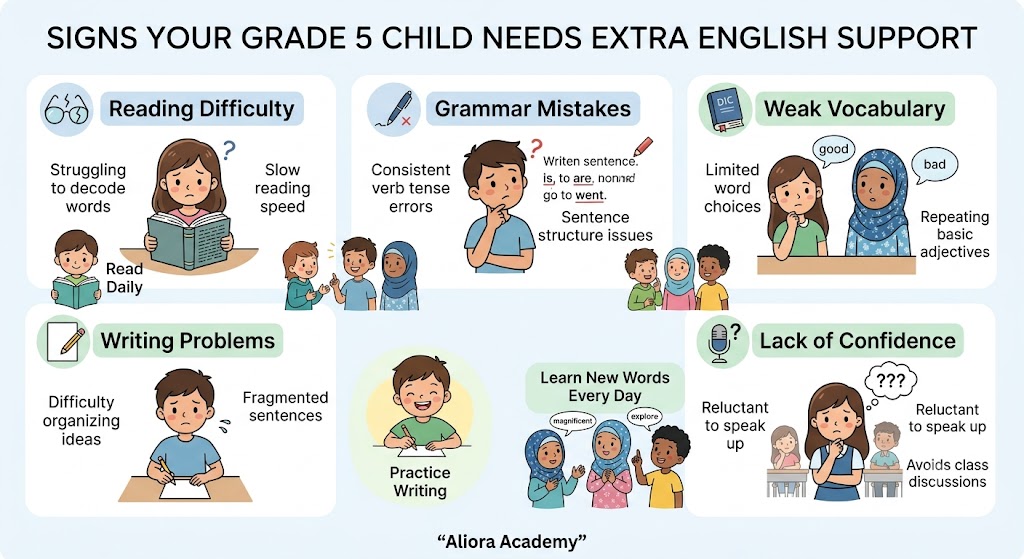
One of the most common Grade 5 English learning support signs is difficulty in forming correct sentences. A child may know words but struggle to connect them into meaningful ideas. This often appears in writing tasks and short answers.
Another strong sign is weak reading comprehension. Students may read a passage but fail to explain what it means. This directly affects subjects that require understanding instructions and answering analytical questions.
A third sign is limited vocabulary usage. The child may repeat the same simple words instead of using academic English expressions. This restricts their ability to write detailed answers or essays.
Other important indicators include:
- Frequent grammar mistakes even in simple sentences
- Avoidance of English writing tasks
- Low confidence when speaking in class
- Difficulty understanding homework instructions
For example, a Grade 4 student who is still struggling with paragraph structure may carry these issues into Grade 5, making academic writing more difficult. In such cases, structured support like English classes for Grade 4 becomes important before advancing further.
If these signs continue for months, parents should consider additional guidance to prevent long-term learning gaps.
How can parents support English learning at home effectively?
Parents play a key role in improving English skills, especially during Grade 5 when academic demands increase. The goal is not to replace school learning but to reinforce it through daily habits.
A simple starting point is creating a 20-minute reading routine. Children can read short stories or school passages and then explain what they understood. This builds reading comprehension and critical thinking at the same time.
Another effective method is encouraging daily writing practice. Even small tasks like writing a diary entry or describing their day help improve writing improvement and sentence structure.
Practical strategies include:
- Asking the child to summarize stories in English
- Encouraging use of new vocabulary in sentences
- Watching English educational videos together
- Practicing simple conversations at home
For example, a Grade 3 student improved vocabulary by reading short illustrated books daily and discussing new words with parents. This simple habit strengthened their language skills without pressure. You can find more ideas in our tips on improving English vocabulary for Grade 3.
Consistency matters more than duration. Even short but regular practice builds stronger understanding over time.
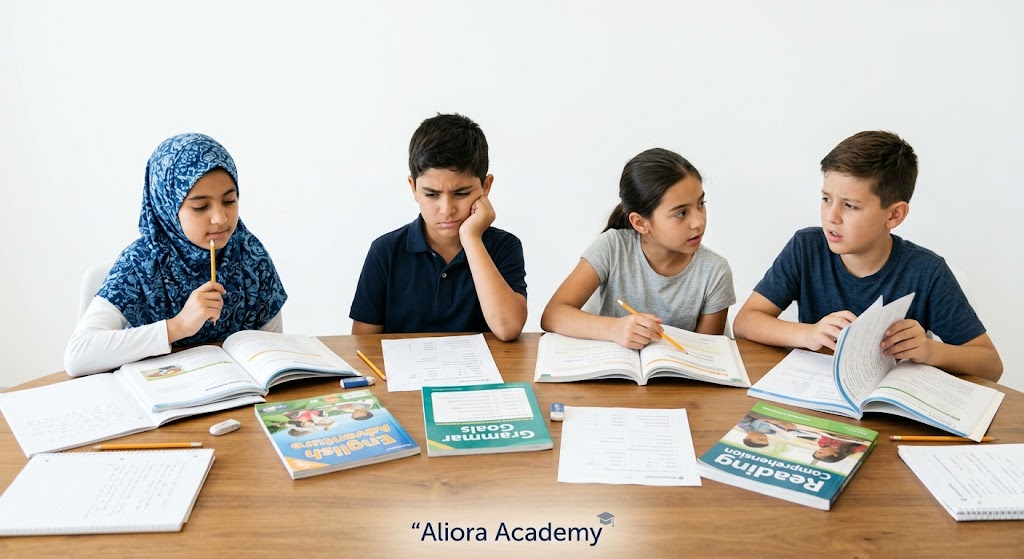
What English skills should a Grade 5 student develop for academic success?
Grade 5 is a critical stage where students must transition from basic learning to structured academic performance. One key area is grammar application, where students learn to use correct tenses and sentence patterns in real writing tasks.
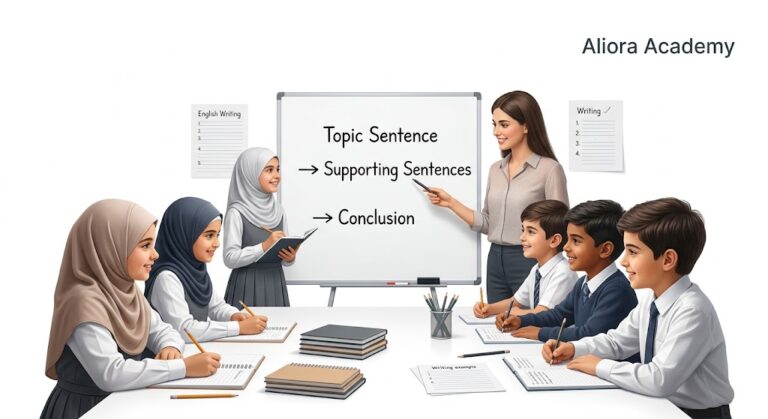
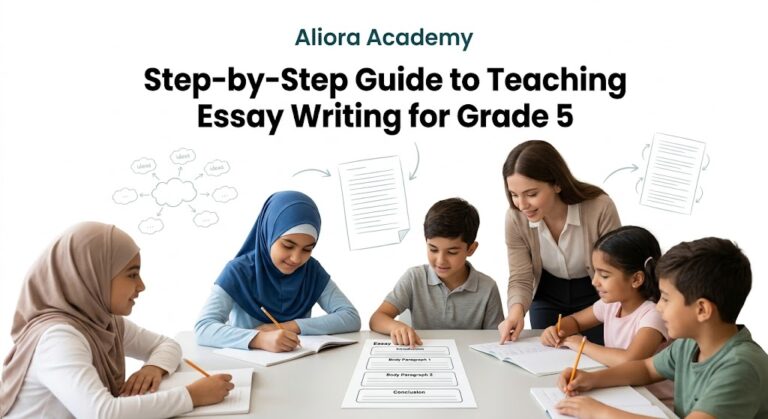
Another essential skill is essay and paragraph writing. Students should be able to organize ideas clearly with an introduction, body, and conclusion. This directly impacts performance in exams and assignments.
Vocabulary development is equally important. A strong vocabulary helps students express ideas more clearly and improves confidence in both writing and speaking.
Core skills include:
- Advanced reading comprehension
- Structured writing ability
- Logical thinking in responses
- Fluent sentence formation
- Listening and interpretation skills
For instance, a Grade 4 student strengthening paragraph writing gradually becomes more confident in Grade 5 when handling longer compositions and comprehension-based questions.
At this stage, many parents also explore structured guidance like English classes for Grade 5 to ensure consistent progress.
How do structured English programs improve Grade 5 learning outcomes?
Structured learning programs provide a guided path that helps students fix gaps systematically. Instead of random practice, students follow a step-by-step approach to improve grammar, vocabulary, and writing.
One major benefit is personalized attention. Teachers identify weak areas such as sentence structure or reading comprehension and work on them directly.
Another advantage is consistent practice. Students engage in regular exercises that strengthen academic English and improve fluency over time.
Benefits of structured programs:
- Clear learning progression
- Targeted grammar improvement
- Regular writing and reading practice
- Confidence building through feedback
For example, a Grade 5 student preparing for advanced assignments improved significantly after following a structured plan that focused on reading analysis and essay writing practice.
Parents looking for guided support often consider reliable options like online English classes, which provide structured and consistent learning environments.
FAQs
How can my child improve English speaking skills?
Regular practice is the key. Encourage daily conversations in English, even simple ones. Reading aloud and repeating sentences from stories also improves pronunciation and fluency over time.
What is the best age to improve English vocabulary?
Vocabulary development can start as early as Grade 3. However, Grades 4 and 5 are critical because students begin using academic words in writing and comprehension tasks.
How do online English classes help students learn faster?
Online classes provide structured lessons, regular feedback, and personalized attention. This helps students improve grammar, reading, and writing skills more efficiently than unstructured self-study.
Conclusion
Strong English skills in Grade 5 build the foundation for long-term academic success. When parents recognize early learning gaps in reading, writing, vocabulary, or grammar, they can take timely action.
Consistent practice in reading comprehension, writing improvement, and grammar development helps students gain confidence and perform better in school. With the right support and guidance, children can move from struggling learners to confident English users.